

The most popular dog isn't automatically the best first dog. A highly trainable Labrador Retriever can be an excellent teacher for a new owner, but that same dog still needs substantial daily activity, consistent training, and enough space for an energetic medium-to-large companion. A smaller breed may fit an apartment more easily, yet bring a heavier grooming routine, stronger attachment to its owner, heat sensitivity, or breed-linked health concerns.
The best beginner dogs are better evaluated as lifestyle matches, not as a universal ranking. This list compares trainability and temperament with daily exercise, grooming, independence, household fit, and health management. It also treats popularity as useful context rather than proof of suitability. The American Kennel Club's 2025 breed rankings place the Labrador Retriever at No. 2 in the United States, behind the French Bulldog and ahead of the Golden Retriever, German Shepherd Dog, Dachshund, Poodle, Beagle, Rottweiler, German Shorthaired Pointer, and Bulldog. The AKC bases those rankings on registration statistics, so they reflect a repeatable national popularity signal, not a small opinion survey.
Use PetCostEngine's breed pages, state tools, and calculator to investigate how an individual choice may fit your household. The right question isn't which dog is easiest. It's which dog's needs you can sustain through ordinary weekdays, travel, illness, changing schedules, and the full relationship.
Table of Contents
- 1. Labrador Retriever
- 2. Golden Retriever
- 3. Beagle
- 4. French Bulldog
- 5. Dachshund
- 6. Cavalier King Charles Spaniel
- 7. Pug
- 8. Shih Tzu
- 9. Cocker Spaniel
- 10. Papillon
- Top 10 Beginner-Friendly Dog Breeds Comparison
- Match the Breed to the Life You Can Sustain
1. Labrador Retriever
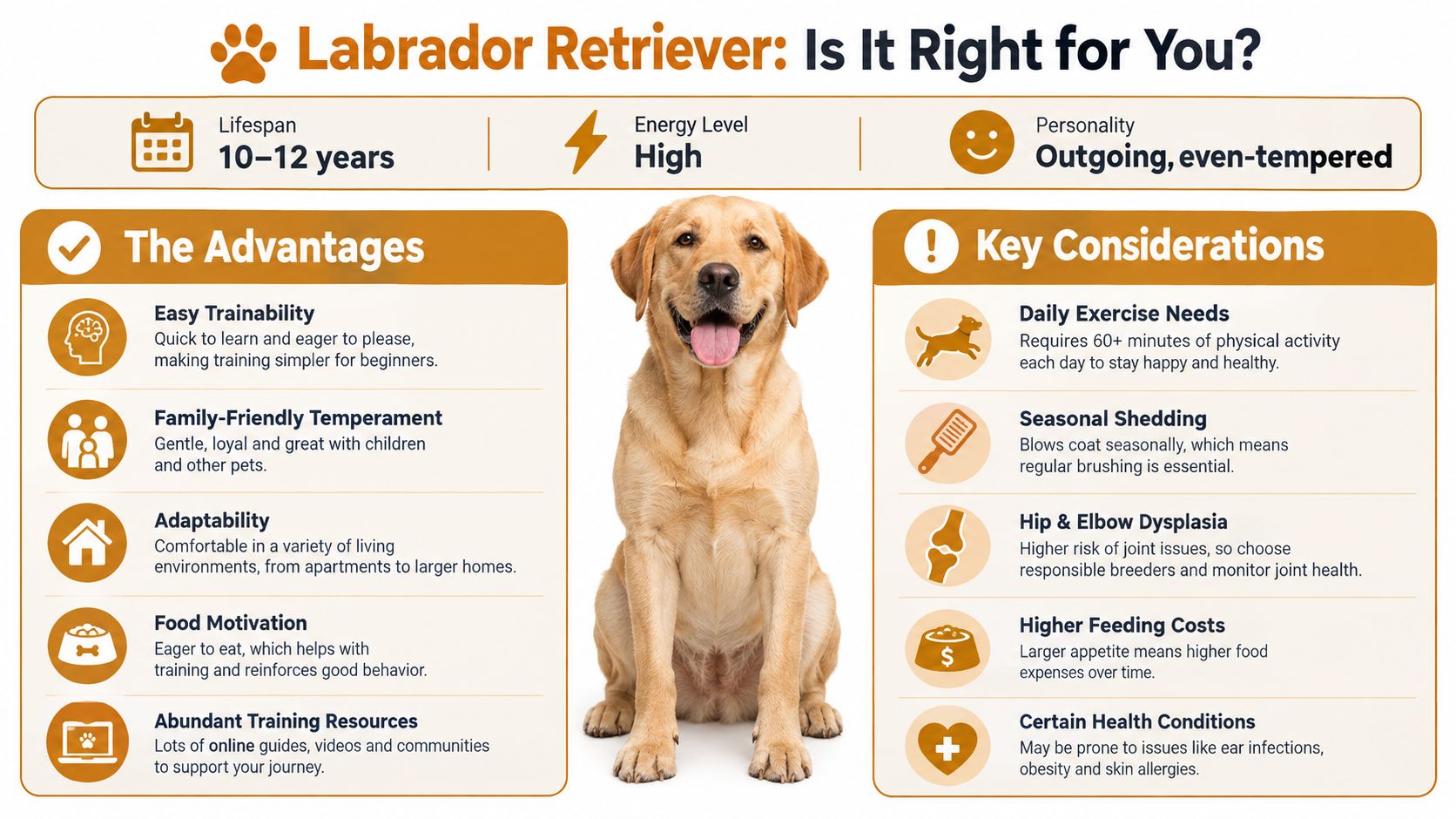
A Labrador Retriever can be an excellent first dog, but its reputation for friendliness should not be confused with low daily demands. Its stable, people-oriented temperament supports positive training, and the breed is typically responsive to food, play, and praise. Beginners can use those motivations to teach manners, leash skills, recall, and household routines without harsh handling.
The AKC rankings place the Labrador Retriever near the top nationally, a popularity signal that helps explain why owners can find abundant training resources and standardized care guidance. Popularity does not resolve the practical question: whether a household can meet this breed's activity, supervision, and space requirements.
The trade-off beginners miss
Labs are medium-to-large, energetic dogs that want regular involvement. Limited weekday time can contribute to jumping, chewing, overexcitement, or other nuisance behavior when exercise and mental work become inconsistent. A calm temperament does not remove the need for structured activity.
The short coat is simpler to maintain than a long, flowing coat, yet Labs still shed and need routine brushing and general care. Their size also affects household logistics, including transport, equipment, feeding, and veterinary planning. The AKC's ownership-cost guidance reports that annual care costs rise sharply with adult size, nearly doubling between small dogs and giant dogs. Those figures do not predict an individual Lab's expenses, but they show why size belongs beside temperament in a first-dog decision.
Breed-linked health considerations also deserve attention. Prospective owners should ask breeders or rescue organizations about the dog's history and discuss relevant risks with a veterinarian. A Lab may suit an active household seeking a trainable partner, while a home prioritizing low shedding, minimal exercise, or compact handling may face a poorer match.
Practical rule: Choose a Labrador Retriever for an active, trainable household partner, not because the breed is presumed easy.
2. Golden Retriever
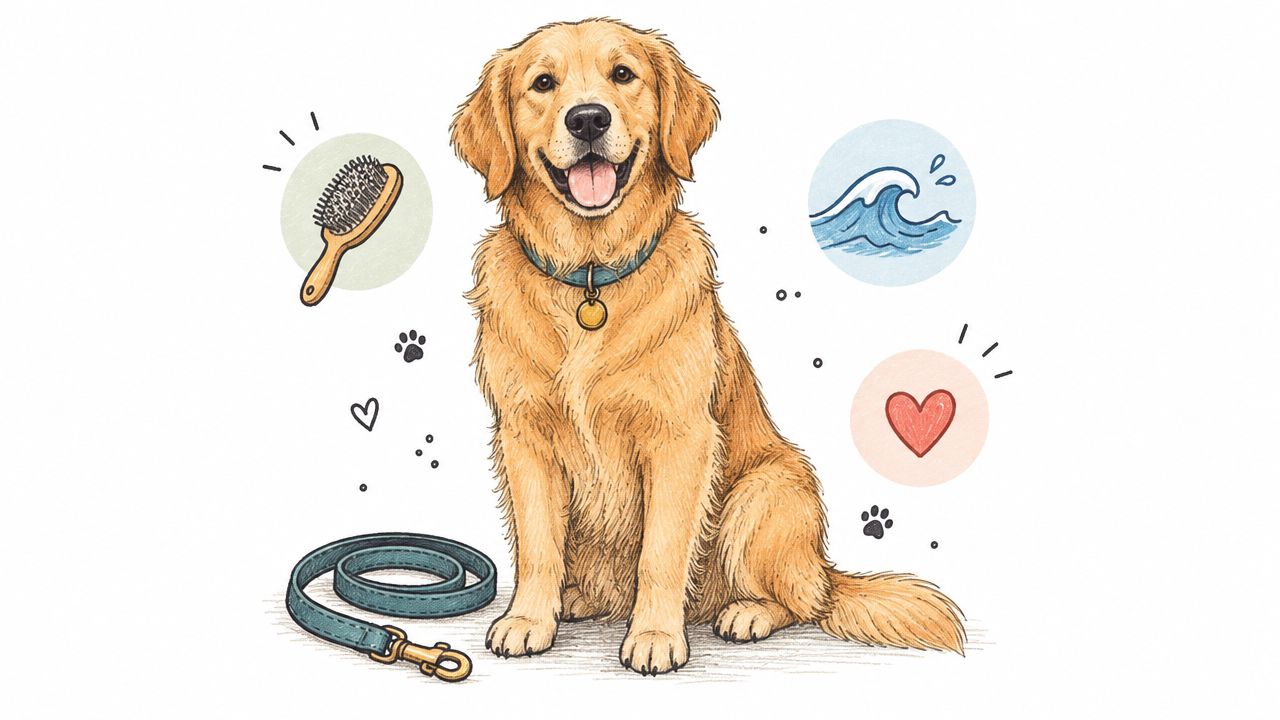
Golden Retrievers suit first-time owners who want a large, gentle dog that works closely with people. Their cooperative nature can make foundational training approachable, while their patience and affectionate behavior often fit households that want an engaged family companion. They were bred as hunting retrievers, so their willingness to carry, retrieve, and stay connected to a handler is part of the appeal.
A Golden is rarely a passive accessory. Regular exercise, interactive play, and training are central to a satisfying routine. Owners who enjoy walks, outdoor activities, structured games, and continuing education may find the breed rewarding. Owners who want minimal daily involvement may find the same traits demanding.
Grooming is part of the ownership profile
The long double coat changes the daily-care equation. Brushing, coat maintenance, shedding tolerance, and keeping ears and skin clean deserve consideration before adoption. A Golden's gentle reputation also shouldn't replace an individual temperament assessment, especially in a home with young children, cats, or another dog.
Health planning belongs in the selection process as well. Prospective owners should ask breeders or rescue organizations what is known about the dog's background and should discuss breed-linked risks with a veterinarian. PetCostEngine's breed health profiles can support that research, but they don't replace a veterinary examination or an honest conversation about your household's capacity.
A Golden Retriever is a strong match for someone who wants a trainable, affectionate, active dog and accepts the coat and routine that come with it. It's a weaker match for someone choosing primarily by appearance or expecting a large dog to manage itself.
3. Beagle
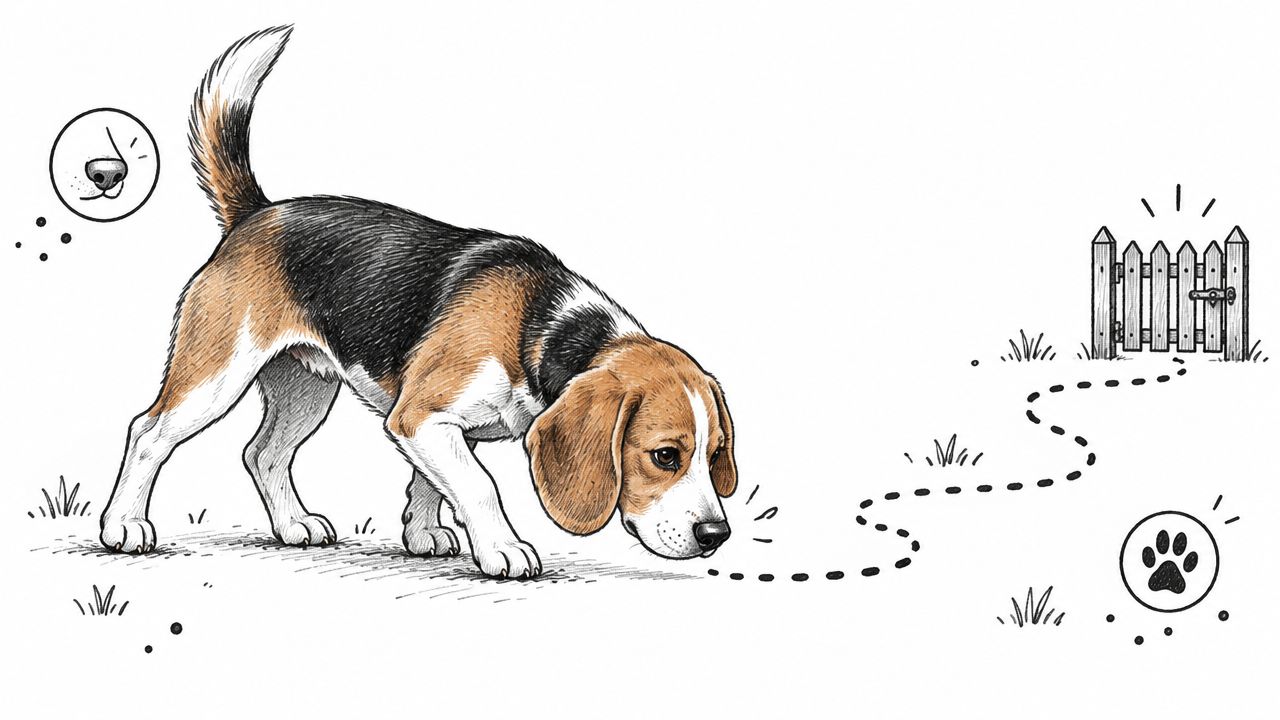
The Beagle offers a compact alternative to the retrievers, but its smaller frame shouldn't be mistaken for a simpler personality. This is a curious, playful hound with a powerful scent drive and an independent streak. Food motivation can help training, yet a scent trail may compete successfully with the owner's instructions.
That makes Beagles especially interesting for first-time owners who enjoy a dog with opinions. They can adapt to different homes, including apartments, when their need for activity, exploration, and companionship is addressed. Indoor space alone doesn't determine suitability. A Beagle still needs safe outlets for sniffing, play, and learning.
Secure management matters
Recall deserves careful attention. A Beagle that catches an interesting scent may travel farther than a novice expects, so secure doors, gates, fencing, and leash habits matter. The breed's hunting background also means owners should think clearly about interactions with small animals rather than relying on broad claims about friendliness.
Training works best when it uses the Beagle's motivations instead of treating independence as defiance. Short sessions, food rewards, scent games, and consistent boundaries can turn natural curiosity into productive behavior. The household should also be prepared for vocal communication, especially if neighbors are close.
A Beagle can fit a small home, but it won't fit a hands-off routine. The deciding factor is whether the owner can provide structured outlets for the nose and the mind.
Its coat is comparatively straightforward, which may appeal to owners who want less grooming than a Golden Retriever or Shih Tzu. The trade is management and persistence. Beagles belong on a first-dog shortlist for people who want a compact, lively companion and are prepared to secure the environment rather than assume obedience will override instinct.
4. French Bulldog
French Bulldogs can suit first-time owners in apartments, but their reputation as easy companion dogs hides a significant trade-off. They often have lower exercise demands than a Labrador Retriever, and their compact, affectionate, playful nature can make indoor companionship enjoyable. Their popularity is high, as noted earlier in the ranking.
That popularity measures demand, not individual fit. A French Bulldog usually needs less vigorous exercise than a Labrador, yet its flat-faced, or brachycephalic, structure creates added management requirements. Heat, breathing comfort, exertion tolerance, and veterinary oversight can shape ordinary routines and long-term costs.
Lower exercise doesn't mean low responsibility
The breed still needs basic training, mental enrichment, careful weight management, and regular social contact. Its small size may simplify handling, while its anatomy can make warm weather, strenuous activity, and poor body condition more consequential. Grooming is relatively manageable compared with long-coated breeds, but that convenience does not offset possible health-related care.
A first-time owner should discuss the individual dog's respiratory function and other breed-linked concerns with a veterinarian. The same evaluation applies to other brachycephalic breeds, including the Pug later in this list. PetCostEngine's insurance guides may help with early financial planning, but they cannot replace veterinary advice or a realistic assessment of lifetime ownership uncertainty.
The French Bulldog is a reasonable beginner match for someone prioritizing companionship, maintaining a suitable indoor environment, and accepting breed-linked health uncertainty. It is a poor choice for an owner seeking a jogging partner, frequent outdoor activity in heat, or a dog selected mainly because it is popular. Its lower exercise needs reduce one daily burden, while health management may increase another.
5. Dachshund
Dachshunds bring a lot of character into a small footprint. Their elongated bodies and bold personalities reflect their history as hunting dogs, and that history still appears in digging, prey drive, persistence, and independent decision-making. A first-time owner may appreciate their loyalty and adaptability while underestimating how much consistency their training requires.
The breed can suit an apartment or smaller home, provided the owner plans around movement and safety. Stairs, jumping, rough play, and uncontrolled access to furniture can become practical concerns because of the Dachshund's distinctive body shape. A veterinarian can help establish sensible handling and activity guidance for the individual dog.
Confidence needs boundaries
Dachshunds aren't difficult because they lack intelligence. They can learn quickly, but they may question whether a requested behavior serves their interests. Positive reinforcement, clear routines, and patient repetition usually create a better foundation than confrontational methods.
Their prey drive also affects household planning. Introductions to cats, small pets, and unfamiliar dogs should be managed individually, not assumed from the breed label. Secure doors and outdoor areas matter for a dog that may follow movement or scent.
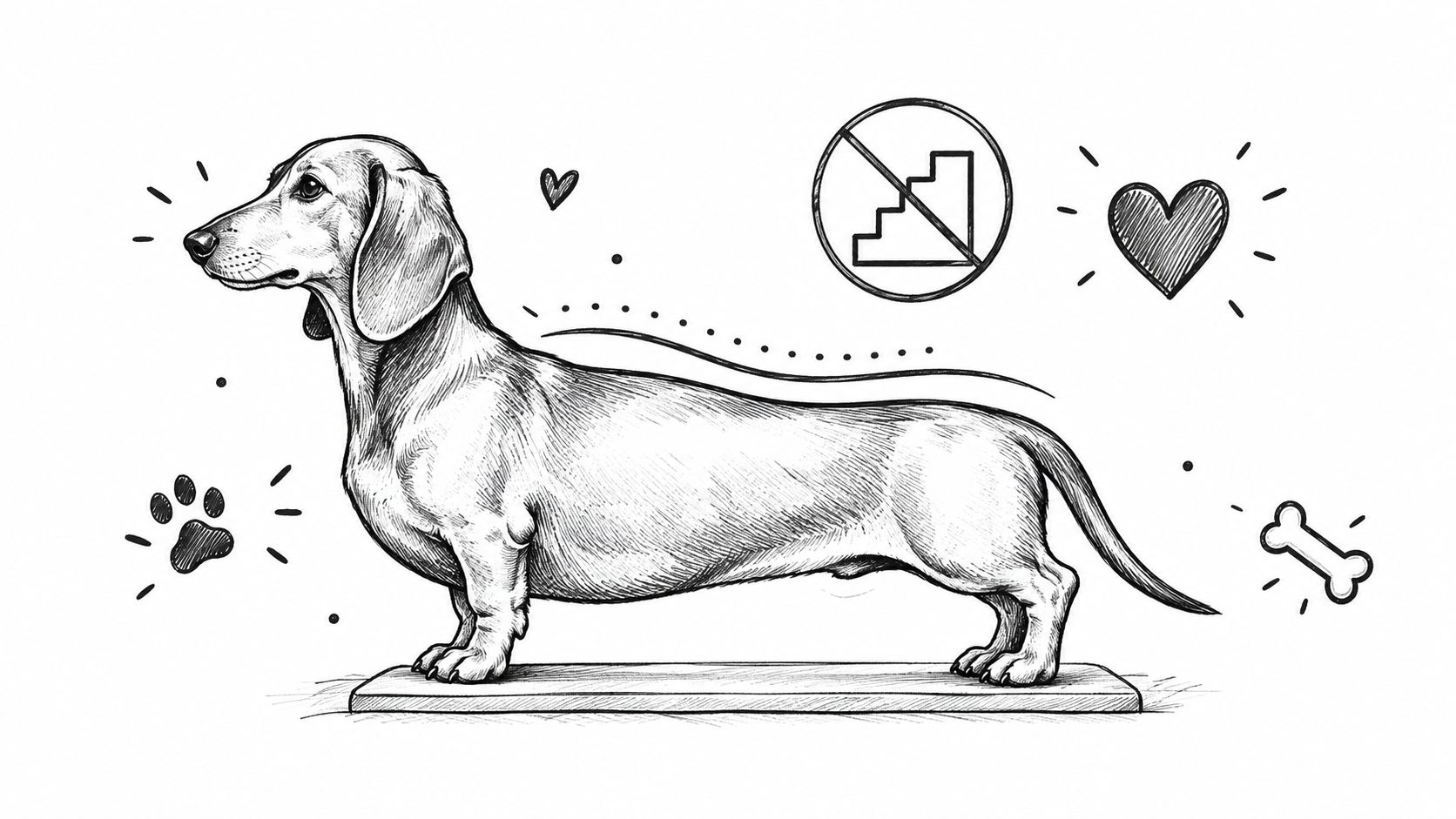
A Dachshund is a good beginner choice for someone who wants a small, engaging companion and can accept a little stubbornness. It's less suitable for a household that wants effortless recall, unrestricted stair access, or a dog that will automatically defer to human preferences.
6. Cavalier King Charles Spaniel
The Cavalier King Charles Spaniel can suit first-time owners seeking a gentle, affectionate companion, but its soft temperament should not be mistaken for effortless ownership. Cavaliers often enjoy close contact, respond well to patient handling, and may live comfortably with people or other animals. Their smaller size and moderate activity needs can also fit homes that do not have room or time for a large, high-drive dog.
The main trade-off is dependence on human company. A Cavalier may thrive with an owner who includes the dog in daily routines, yet struggle in a household where long absences are normal. Training should build calm independence early, rather than assuming affection will remain manageable without structure.
Grooming adds a regular care task. The coat needs routine brushing, and owners should budget time for checking ears, paws, and areas that can collect moisture or tangles. Daily enrichment still matters, even though the breed is not built for intense endurance work.
Temperament doesn't erase health research
A friendly personality does not remove breed-linked health questions. Discuss likely veterinary needs with a veterinarian before committing, and review available health records. That step helps separate immediate compatibility from the broader care demands that may shape ownership over time.
Meet adult Cavaliers as well as puppies. Adult behavior can reveal energy, social confidence, tolerance of handling, and how much closeness the owner should expect. PetCostEngine's breed comparison tools can help place the Cavalier beside other small companion breeds during the selection process.
A Cavalier may suit someone who wants a responsive, loving companion, can provide regular company, and accepts ongoing grooming and health planning. It is a weaker match for frequent travelers, long-shift workers, or owners seeking a highly independent, low-contact dog.
7. Pug
Pugs are compact, companion-focused dogs with an entertaining, affectionate personality. Their modest exercise needs can appeal to apartment dwellers, older owners, and people whose lifestyle doesn't support long, vigorous outings. They often prefer being near their people, which makes them engaging household members rather than distant observers.
That same companionship drive creates a separation consideration. A Pug may struggle when left alone for extended periods, so the owner's schedule, backup caregiving, and ability to build calm independence matter from the beginning. Training should include settling alone, not only tricks and household manners.
Flat-faced structure changes the environment
The Pug's brachycephalic structure requires careful attention to breathing, heat, exertion, and body condition. A small dog can still have significant veterinary needs, and lower exercise requirements don't eliminate the need for safe activity. Owners should ask a veterinarian how the individual Pug handles heat and exertion and what warning signs deserve prompt attention.
Health lens: A breed that needs less exercise may still demand more environmental management. For Pugs, indoor comfort and heat awareness are part of responsible ownership.
A Pug can work well for a first-time owner who wants a close companion, has a stable indoor routine, and understands the breed's physical limitations. It's a poor fit for someone wanting a warm-weather outdoor dog, an independent pet, or a companion that can routinely tolerate long absences.
8. Shih Tzu
The Shih Tzu was bred for companionship, and that purpose remains clear in its alert, affectionate, family-oriented behavior. Its small size can make it practical for apartments and homes with limited floor space. Exercise demands are usually easier to integrate than those of an active retriever, but the breed still benefits from training, play, and predictable interaction.
The defining ownership question is the coat. A long, silky coat can look elegant, but it creates a consistent grooming obligation. Owners must decide whether they'll maintain the coat themselves or arrange professional care. A shorter trim can simplify daily brushing, but it doesn't remove the need for routine coat, skin, ear, and eye care.
A small dog still needs structure
Shih Tzus can be independent enough to resist repetitive training, especially if owners excuse unwanted behavior because of their size. Clear house rules, reward-based teaching, and early handling practice help prevent grooming and veterinary routines from becoming stressful.
Their compact body may be convenient, but owners should still manage jumping, rough handling, and interactions with children. Meeting adult dogs can reveal whether a particular Shih Tzu is outgoing, reserved, vocal, or especially attached.
This breed belongs on a beginner shortlist for someone who wants a small indoor companion and welcomes grooming as part of the relationship. It's less suitable for someone who wants a wash-and-wear coat, dislikes routine maintenance, or expects a toy-sized dog to require no training.
9. Cocker Spaniel
The Cocker Spaniel occupies a useful middle ground between a small companion breed and a larger sporting dog. It combines trainability, manageable size, and affection, making it appealing to first-time owners who want an active dog without choosing a retriever. Its spaniel heritage gives it energy and interest in the environment, while its people-oriented temperament can make cooperative training rewarding.
A Cocker's ideal routine includes more than a quick bathroom break. Walks, play, training games, and opportunities to use its mind help prevent boredom. The breed may suit a moderately active household, but owners should assess whether they can provide consistent weekday engagement rather than relying only on weekend outings.
Coat and ears deserve a plan
The coat introduces grooming work, and the ears require attentive care. New owners should learn how to handle brushing, ear checks, nail care, and veterinary examinations before problems develop. Those tasks are easier when introduced gradually with praise, play, and treats.
The Cocker Spaniel's hunting background also means individual prey drive and excitement around movement should be evaluated. A dog that is gentle with people may still need careful management around birds, cats, or other small animals. Ask to observe adult behavior and discuss household compatibility with the breeder, rescue organization, and veterinarian.
Cocker Spaniels can be excellent first dogs for owners who want a friendly, trainable companion and are comfortable with grooming and regular activity. They're not a low-involvement option, despite their approachable expression and moderate size.
10. Papillon
The Papillon is small in body but substantial in ability. Its intelligence, athleticism, and eagerness to learn can make it an excellent choice for a first-time owner who wants training to be a central part of daily life. Obedience, trick training, agility-style activities, and puzzle work can give this toy-sized dog meaningful outlets.
That profile creates a common mismatch. Someone choosing a Papillon because it's small may expect low effort, yet a bright, energetic dog can become noisy, restless, or demanding when its mind has nothing to do. Size reduces some handling and space challenges, but it doesn't eliminate the need for structure.
Match the brain, not just the body
Short, reward-based sessions are a practical way to build cooperation and confidence. Teaching calm behavior matters as much as teaching impressive skills. The household should also manage jumping, access to unsafe heights, and interactions with larger dogs because a Papillon's confidence may exceed its physical size.
The coat is usually less demanding than that of a Shih Tzu, though routine brushing and general care still matter. Early social exposure should be broad and positive. The AVMA's guidance on puppy socialization recommends positive experiences with people, animals, environments, activities, and objects, using praise, play, and treats while allowing a puppy to withdraw when uncomfortable.
A Papillon is a strong beginner match for an owner who wants a small training partner. It's a weaker fit for someone who wants a quiet lap dog with little need for mental engagement.
Top 10 Beginner-Friendly Dog Breeds Comparison
| Breed | 🔄 Training complexity | ⚡ Exercise & care needs | 📊 Health & lifetime costs | 💡 Ideal use cases | ⭐ Key advantages |
|---|---|---|---|---|---|
| Labrador Retriever | Low 🔄, eager, food-motivated; great for beginners | High ⚡, 60+ min/day, mental stimulation, seasonal shedding | Moderate–High 📊, hip/elbow dysplasia, cancer; higher food/vet costs | 💡 Active families, first-time owners, obedience/companion work | ⭐ Very trainable, social, excellent with kids |
| Golden Retriever | Low 🔄, highly trainable with reward-based methods | High ⚡, 60+ min/day, swimming-friendly, heavy year-round grooming | High 📊, hip/elbow dysplasia, cancer; grooming & vet costs elevated | 💡 Families, therapy/service candidates, outdoor enthusiasts | ⭐ Gentle, patient, outstanding family dogs |
| Beagle | Moderate 🔄, food-motivated but scent‑driven; distraction-prone | Moderate ⚡, 30–40 min/day, secure fencing, nose-work recommended | Low–Moderate 📊, ear infections, obesity; generally lower vet costs | 💡 Apartment owners who provide scent activities; active couples | ⭐ Compact, social, low grooming needs |
| French Bulldog | Low–Moderate 🔄, affectionate but can be stubborn; short sessions | Low ⚡, 20–30 min/day; heat-sensitive, monitor exertion and breathing | High 📊, brachycephalic issues, skin-fold infections; higher lifetime vet costs | 💡 Urban/apartment dwellers seeking a low‑exercise companion | ⭐ Low exercise needs, entertaining, very affectionate |
| Dachshund | Moderate–High 🔄, independent and stubborn; consistent training needed | Low–Moderate ⚡, 20–30 min/day; avoid jumps/stairs, weight control crucial | High 📊, IVDD/back problems; potential costly spinal care | 💡 Owners mindful of back safety; small-space homes | ⭐ Loyal, distinctive personality, long lifespan |
| Cavalier King Charles Spaniel | Low 🔄, eager to please; responds to gentle reinforcement | Low ⚡, 20–30 min/day; regular ear care and moderate brushing | High 📊, mitral valve disease common; significant long-term vet costs | 💡 Lapdog seekers, calm households, apartment living | ⭐ Exceptionally gentle, highly affectionate |
| Pug | Low–Moderate 🔄, food-motivated; short, patient sessions best | Very Low ⚡, 15–20 min/day; extreme heat sensitivity, wrinkle care | High 📊, brachycephalic breathing issues, eye problems, obesity risk | 💡 Small-space living, owners wanting a playful lap companion | ⭐ Compact, funny, minimal exercise requirements |
| Shih Tzu | Moderate 🔄, independent streak; short consistent training sessions | Very Low ⚡, 15–20 min/day; high grooming commitment (regular trims) | Moderate–High 📊, eye/ear/respiratory issues; grooming increases lifetime costs | 💡 Apartment dwellers who can manage grooming routines | ⭐ Excellent indoor companion, adaptable to low activity |
| Cocker Spaniel | Low–Moderate 🔄, intelligent and responsive to positive methods | Moderate ⚡, 30–60 min/day; needs mental stimulation and ear care | Moderate 📊, ear/eye/hip issues; regular grooming and vet checks needed | 💡 Active families wanting an affectionate sporting dog | ⭐ Trainable, friendly, great with children |
| Papillon | Low 🔄, exceptionally trainable; excels in advanced work | Moderate ⚡, 30–60 min/day of mental + physical activity; delicate handling | Low 📊, generally robust; monitor patella and dental health | 💡 Owners wanting agility/obedience competitors or smart companions | ⭐ Outstanding intelligence, agility, and responsiveness |
Match the Breed to the Life You Can Sustain
The best beginner dogs divide into practical groups rather than one definitive winner. Labrador Retrievers, Golden Retrievers, and Cocker Spaniels suit owners who want active, trainable companions and can maintain regular exercise, engagement, grooming, and training. Their cooperative temperaments may make learning easier, but their sporting or working backgrounds still create meaningful daily commitments.
Beagles and Dachshunds fit owners who appreciate independence and strong personalities. They can live successfully in smaller homes, but scent, prey drive, digging, secure containment, and persistent training deserve more attention than a generic “easy family dog” label suggests. Their smaller size may simplify some household logistics, but it doesn't guarantee reliable off-leash behavior or effortless cooperation.
French Bulldogs and Pugs can suit limited-space homes that want close companionship and lower exercise demands. Their brachycephalic structure changes the decision. Heat sensitivity, breathing, exertion, body condition, and breed-linked veterinary considerations should be discussed with a veterinarian before adoption. A less athletic dog isn't necessarily a lower-risk dog.
Cavaliers and Shih Tzus may appeal to owners seeking affectionate small companions. The Cavalier's attachment can make separation planning important, while the Shih Tzu's coat makes grooming a central routine. Papillons offer a different small-dog profile, with more athleticism and mental intensity than their size implies.
Use the puppy stage carefully
The AVMA identifies puppy socialization as beginning during the sensitive period from 3 to 14 weeks, with social exposure starting as early as 3 to 5 weeks and continuing through at least 12 to 14 weeks. It also advises that puppies generally remain with their litter until at least 8 weeks old. Review the AVMA literature review on puppy and kitten socialization and coordinate exposure with your veterinarian's vaccination guidance.
Socialization should be positive and controlled, not a race to expose a puppy to everything. The AVMA advises keeping incompletely vaccinated puppies away from animals with unknown vaccination status and places those animals have visited, such as outdoor parks. That makes a safe plan, appropriate surfaces, known healthy dogs, household sounds, handling, and calm observation more useful than indiscriminate outings.
Meet adult dogs whenever possible. Ask how the individual dog behaves around children, cats, visitors, grooming, handling, travel, and time alone. Breed tendencies help narrow the field, but they can't replace the dog in front of you.
Finally, use PetCostEngine's breed, state, cost calculator, and insurance guides for individualized follow-up research. The site combines breed-specific health models with state-level veterinary information and lets owners examine food, veterinary care, grooming, training, boarding, gear, and insurance as separate ownership categories. Those projections are most useful after you've identified the routines and risks you can realistically sustain.
PetCostEngine helps first-time owners compare breeds, states, age assumptions, health profiles, lifetime ownership projections, and insurance scenarios without naming a universal winner. Visit PetCostEngine to turn this shortlist into a personalized research plan for the dog and life you're prepared to support.
Modeled estimates for 226 breeds, with the formula and sources published in full.
See the data →
Joint supplement → Puzzle toys → No-pull harness →
As an Amazon Associate, PetCostEngine earns from qualifying purchases.