
In a large UK primary-care study, 65.84% of dogs in the sample had at least one recorded disorder during 2016, and brachycephalic dogs had 1.27 times the odds of a diagnosis compared with crossbred dogs, with a 95% confidence interval of 1.13 to 1.43. The most frequent precise disorders in those flat-faced breeds included periodontal disease, otitis externa, obesity, and anal sac impaction, not just breathing problems. (UK primary-care study)
That finding changes how owners should interpret the phrase dog breeds with most health problems. No single ranking captures every kind of risk. Some breeds accumulate respiratory, eye, skin, and spinal disorders. Others face a more concentrated burden involving cancer, cardiac disease, or orthopedic degeneration. A large survey of 192 Kennel Club-registered breeds identified 312 non-conformation-linked inherited disorders, while another analysis found 90 common disorders significantly more prevalent in at least one breed than across the overall dog population. (Breed-disorder analysis)
This guide presents an evidence-informed list of eight high-risk breeds, then translates their major health patterns into practical monitoring and ownership decisions. Breed pages, state-adjusted care projections, a lifetime cost calculator, and insurance guidance can help you evaluate the implications for a specific dog, age, and location. The rankings below should support better questions for breeders and veterinarians, not replace an individual health assessment.
Table of Contents
- 1. French Bulldog
- 2. English Bulldog
- 3. Golden Retriever
- 4. Labrador Retriever
- 5. German Shepherd
- 6. Boxer
- 7. Cavalier King Charles Spaniel
- 8. Pug
- Top 8 Dog Breeds: Health Issues Comparison
- Planning for Your Dog's Health Journey
1. French Bulldog
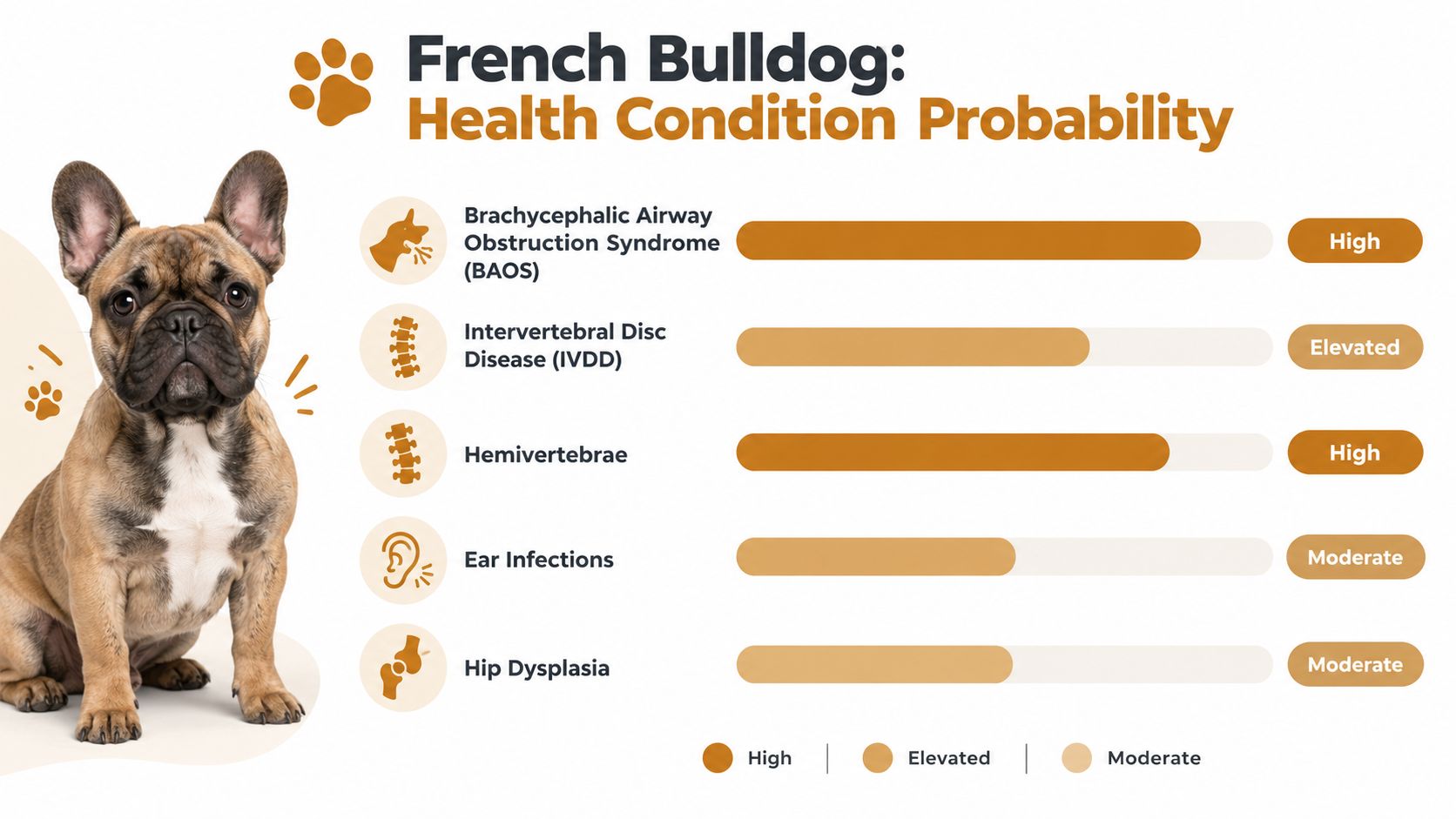
French Bulldogs combine a compact body with a shortened muzzle, and that structure can affect breathing, heat tolerance, sleep, exercise, and eating. The AVMA describes brachycephalic obstructive airway syndrome, or BOAS, as a progressive disorder in which shortened facial bones and crowded soft tissues interfere with normal airflow. (AVMA overview of BOAS)
Respiratory risk is only one part of the breed's profile. French Bulldogs also need close attention to spinal structure, particularly intervertebral disc disease and congenital vertebral abnormalities such as hemivertebrae. Their short, crowded facial anatomy can also make eye and ear care more important. In the AVMA summary of a large study, brachycephalic dogs had higher rates of corneal ulcers, ocular trauma, and conjunctivitis than other dogs. (AVMA summary of eye and other conditions)
Practical rule: A French Bulldog that struggles to breathe during ordinary activity needs veterinary evaluation, not conditioning exercises intended to push through the problem.
Daily management matters
Keep activity moderate and schedule walks during cooler parts of the day. Warm weather, excitement, excess body weight, and pressure around the neck can all make breathing harder. A harness is generally a more sensible choice than a collar for routine walking, but equipment can't correct an obstructed airway.
Owners should also inspect the ears weekly and clean them gently when advised by a veterinarian. Regular examinations can help identify changes in breathing, gait, back comfort, or ear health before a manageable problem becomes an emergency.
Use portion control to protect body condition, keep the dog indoors in air-conditioned conditions during hot weather, and work with a veterinarian familiar with brachycephalic care. A breed-specific lifetime care projection can also help you model routine monitoring alongside possible respiratory or spinal interventions through the dog ownership cost calculator.
2. English Bulldog
English Bulldogs show why breed popularity and appearance provide limited information about health burden. Their shortened face, heavy build, skin folds, and compact skeletal structure can strain several systems at once. Common concerns include breathing, skin, eyes, joints, and reproduction, so owners need a multisystem care plan rather than a single-condition checklist.
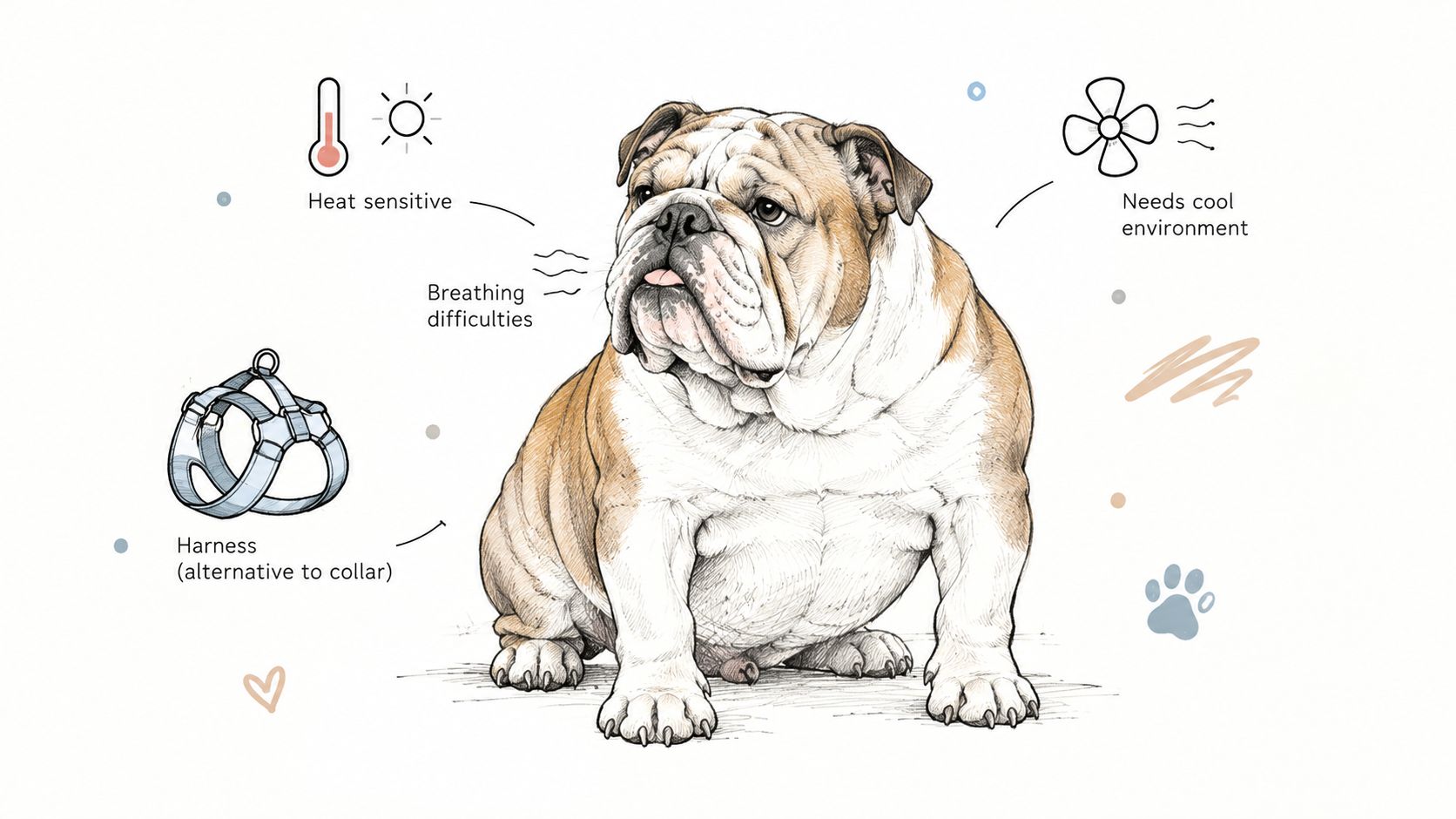
As a brachycephalic breed, the English Bulldog faces increased risk of BOAS. Heat and excitement raise breathing demands. Markedly louder breathing, rapid fatigue, or difficulty coping in warm conditions warrants prompt veterinary assessment.
Build a prevention routine before problems appear
Inspect facial folds regularly and keep them clean and dry. Moisture can encourage bacterial or fungal overgrowth. Weight control also matters because excess mass increases the effort required for breathing and movement.
A veterinarian experienced with brachycephalic dogs can set an examination schedule and discuss whether airway procedures are appropriate. Prospective owners should request health records from breeders and assess whether they can provide climate-controlled living, moderate activity, and consistent follow-up care.
- Control heat exposure: Use active air conditioning during hot weather and never leave the dog in unsafe conditions.
- Watch breathing: Contact a veterinarian after a meaningful change in respiratory effort, recovery time, or sleep.
- Limit exertion: Avoid strenuous play and situations that cause prolonged excitement.
- Review coverage carefully: Read our pet insurance guides for dogs with breed-linked health risks before choosing a policy, focusing on exclusions and waiting periods.
The RVC VetCompass analysis of more than 40,000 Kennel Club-registered purebred dogs placed English Bulldogs among the breeds with the highest proportion of dogs affected by a health condition. It also identified 2,400 breed-disease predispositions across 739 diseases, supporting a care plan that monitors multiple systems instead of focusing only on airway symptoms. (RVC VetCompass breed-health summary)
3. Golden Retriever
Golden Retrievers are valued for trainability, sociability, and work as family, therapy, and service dogs. Those traits do not eliminate inherited disease risk. Research on large breeds associates Golden Retrievers with numerous inherited disorders, so health planning should address cancer, joints, heart health, and eyes. (Large-scale inherited-disorder survey)
Cancer warrants particular attention because early changes may seem minor. Discuss a new lump, unexplained appetite change, altered behavior, lower stamina, or persistent swelling with a veterinarian. Owners cannot diagnose malignancy at home, but recording when signs appear and how they change can give the veterinary team clearer information.
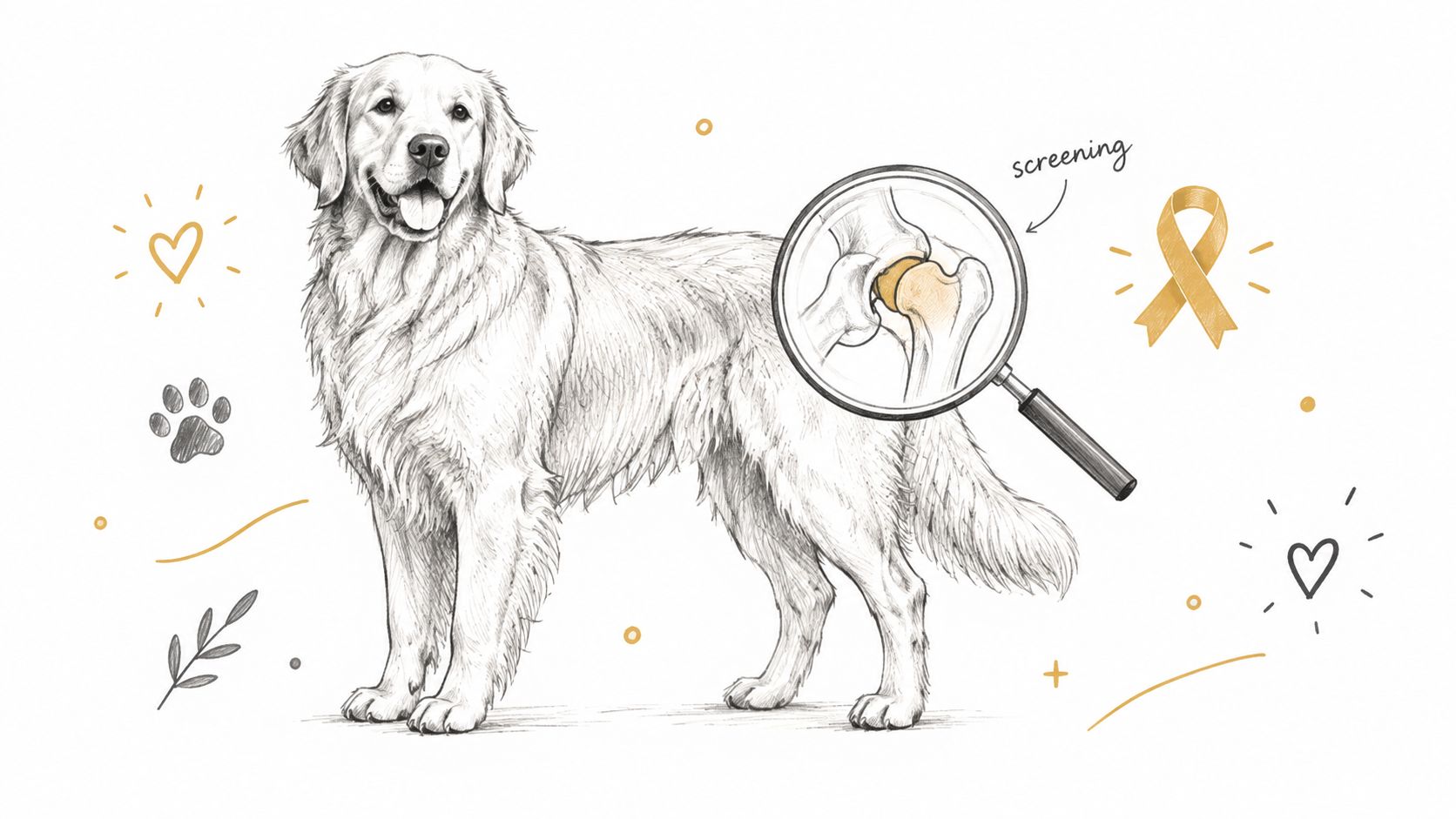
Orthopedic planning should start before visible lameness. Request hip and elbow screening results from breeders, then review OFA or PennHIP documentation with your veterinarian. Keeping the dog lean and providing regular, moderate exercise can reduce avoidable joint strain, although neither measure removes inherited risk.
A practical monitoring plan
- Review breeding records: Check hip and elbow certifications, along with other available health documentation.
- Track movement: Record reluctance to climb stairs, rise, jump, or play, especially when the change persists.
- Protect the ears: Dry ears after swimming and seek care for odor, discharge, or repeated scratching.
- Schedule targeted examinations: Ask about orthopedic, cardiac, eye, and cancer checks during preventive visits.
- Model likely care costs: Use our calculator to model potential costs of orthopedic screenings and long-term cancer surveillance for a Golden Retriever in your state. Treat the estimate as a planning tool, not an individual diagnosis.
A “healthy family breed” reputation does not mean low medical risk. Golden Retrievers may be easy to live with behaviorally while still requiring systematic surveillance for conditions that become more difficult to manage after delayed detection.
4. Labrador Retriever
Labrador Retrievers are widely valued for their energy, responsiveness, and versatility, but their familiar reputation can obscure two connected health priorities: joint protection and body-weight control. Hip dysplasia is a major orthopedic concern, while excess weight can worsen mobility and add strain to already vulnerable joints.
The management lesson is straightforward. Food portions should be set with a veterinarian rather than estimated from the dog's enthusiasm. Check body condition regularly, and make sure the ribs can be felt without being visually prominent. Weight control is not cosmetic for a Labrador. It directly affects movement, exercise tolerance, and the workload placed on the musculoskeletal system.
Protect movement throughout growth
Young Labs need activity, but repetitive high-impact jumping and hard-surface running can place unnecessary stress on developing joints. Choose consistent, moderate exercise and increase demands gradually. If your dog limps, moves unevenly, or avoids a familiar activity, arrange an examination rather than waiting for the symptom to disappear.
Breeding decisions should include OFA or PennHIP hip screening, with results reviewed alongside a veterinarian. Owners can also discuss whether joint-support supplements are appropriate, since products such as glucosamine aren't suitable for every dog and shouldn't replace weight management or diagnosis.
- Measure meals: Establish portions with veterinary guidance and account for treats.
- Check body condition: Review weight and body shape regularly, not only during annual visits.
- Keep ears dry: Weekly cleaning may help identify recurring ear problems early.
- Escalate lameness: Prompt evaluation can prevent compensatory movement from becoming a longer-term problem.
- Plan by location: A state-adjusted Labrador Retriever care estimate can help you compare routine and condition-related care assumptions for your area.
Labs demonstrate why preventable contributors belong in any breed-risk analysis. Genetics may create susceptibility, but daily feeding, exercise, and response to early symptoms can influence how that susceptibility affects the individual dog.
5. German Shepherd
German Shepherds were developed for demanding work, so athletic movement can conceal early physical decline. Hip dysplasia remains a major concern. Degenerative myelopathy, or DM, is a progressive spinal cord disease that may impair coordination and eventually cause paralysis. A dog can appear clinically normal while carrying a genetic variant associated with DM, which makes appearance an incomplete basis for breeding decisions.
Health screening should begin before purchase or breeding. Ask breeders for OFA or PennHIP hip and elbow certifications, along with the dog's DM genetic status. These records cannot guarantee a disease-free future, but they add useful evidence for selection and establish risks to monitor over time.
Watch the rear limbs
Keep the dog lean and favor steady exercise over repetitive, high-impact work. Watch for altered rear-limb placement, weakness, stumbling, difficulty rising, or reduced coordination. DM is often considered later in life, but any neurological change warrants veterinary examination because several disorders can produce similar signs.
A veterinarian can match orthopedic and neurological screening to age, activity level, family history, and examination findings. Genetic testing has particular value in breeding or co-ownership decisions, including dogs without clinical signs.
Carrier status and clinical disease are different findings. A genetic result informs risk, but it does not diagnose the dog or predict exactly how that individual will age.
German Shepherds also feature prominently in inherited-disorder research. A survey of Kennel Club breeds associated the breed with a high burden of inherited disorders among those examined, supporting a risk assessment that combines breeder documentation, physical examinations, and long-term observation. (Inherited-disorder survey of Kennel Club breeds)
For a modeled breed-risk ranking, these concerns make German Shepherds a case where orthopedic, neurological, and potential long-term care assumptions should be evaluated together rather than reduced to a single condition.
6. Boxer
Boxers may appear exceptionally fit while carrying cardiac disease that ordinary play does not reveal. Arrhythmogenic right ventricular cardiomyopathy, or ARVC, and dilated cardiomyopathy are important breed-linked concerns. Cancer is another major priority, leaving the breed with a broad health-risk profile above the general population baseline. (Breed-specific prevalence analysis)
Discuss cardiac screening early, particularly before breeding or intense athletic work. Depending on age, family history, symptoms, and examination findings, a veterinarian may recommend an ECG, echocardiography, or additional testing. Screening cannot remove inherited risk, but it can identify abnormalities that affect exercise limits and treatment choices.
Symptoms deserve a quick response
Exercise intolerance, coughing, fainting, unusual breathing, or a sudden decline in stamina warrants veterinary attention. A muscular appearance should not be used to explain away reduced performance. Until cardiac status is assessed, limit strenuous exercise in heat and ask your veterinarian to set suitable activity levels.
Cancer monitoring also belongs in routine care. During grooming, feel for new lumps and record changes in size or texture. Persistent swelling, altered behavior, or appetite loss should prompt an examination because these signs have multiple possible causes, and delay can complicate investigation.
- Establish a baseline: Discuss ECG and echocardiographic screening with your veterinarian.
- Review breeding records: Ask about relevant genetic testing and family cardiac history.
- Track tolerance: Record changes in stamina, recovery, coughing, or collapse.
- Protect conditioning: Control activity until a clinician assesses suspected heart disease.
- Maintain body condition: Keeping an appropriate weight limits avoidable cardiac workload.
For Boxers, visible athleticism is an unreliable measure of internal health. Regular screening and written symptom tracking provide more useful risk control than waiting for a dramatic event.
7. Cavalier King Charles Spaniel
Cavalier King Charles Spaniels are adaptable companions, but their small size does not mean low health risk. Mitral valve disease is a major concern, while syringomyelia can cause pain when fluid-filled cavities affect the spinal cord. Breed-health research places Cavaliers toward the high end for inherited and breed-linked disorders. (Large-scale breed health research)
Cardiac planning should begin early. Ask the breeder for documented cardiac screening, then discuss auscultation and echocardiography with your veterinarian. Coughing, reduced stamina, rapid breathing, fainting, or a newly detected murmur warrants prompt assessment, even if the dog remains cheerful.
Syringomyelia may appear as neck sensitivity, scratching-like movements, discomfort when touched, or reluctance to move the head. These signs have several possible causes, so record when they occur and arrange a veterinary examination. A clinician can determine whether neurological referral or imaging is appropriate.
Choose monitoring over reassurance
Repeat heart assessments according to veterinary advice, especially as the dog reaches adulthood. Keep the ears clean and dry, since recurrent ear disease can become another long-term management burden. Breeding programs should avoid affected dogs and use available health records to reduce transmission of serious inherited conditions.
A quiet dog isn't automatically a comfortable dog. Changes in posture, touch sensitivity, movement, or stamina deserve a record and a veterinary conversation.
Insurance policies may treat chronic or hereditary conditions differently. Review exclusions, waiting periods, and coverage timing before enrollment. Our dog insurance guidance can help compare those terms, while preventive examinations and symptom records remain the foundation of care.
8. Pug
Pugs combine brachycephalic airway risk with a particularly exposed ocular surface, creating a health profile that can demand more than routine preventive care. BOAS may restrict breathing, exercise, eating, and sleep. Intervertebral disc disease and vertebral abnormalities can reduce mobility, while skin-fold disease adds recurring maintenance. Eye problems deserve separate monitoring because the breed's anatomy can leave the cornea vulnerable.
An AVMA summary of a large study reported corneal ulcers in brachycephalic dogs at 6.34% versus 1.4% in other dogs, ocular trauma at 2.15% versus 0.92%, and conjunctivitis at 10.81% versus 7.76%. (AVMA-reported comparison of brachycephalic eye conditions) A referral-population study covering seven brachycephalic breeds also found corneal ulcers, keratoconjunctivitis sicca, prolapsed nictitans gland, immature cataracts, and uveitis among the more prevalent ophthalmic disorders. (Veterinary ophthalmic study)
Treat breathing and eyes as daily priorities
Keep walks short and relaxed in cool weather. Avoid intense excitement, and use air conditioning during hot conditions. Weight control matters because even modest gain can make breathing harder. Clean facial wrinkles daily, dry them fully, and check the eyes for cloudiness, discharge, redness, or rubbing.
- Respond to breathing changes: Seek immediate veterinary advice after a significant deterioration.
- Protect the eyes: Treat suspected corneal injury as urgent.
- Limit heat: Shade alone may not cool a struggling dog.
- Choose informed care: Use a veterinarian familiar with brachycephalic and neurological conditions.
- Model likely needs: Use the Pug breed health profile and lifetime care calculator to review respiratory, eye, and neurological care categories.
Pugs show how conformation can drive a high modeled health-risk score even when the dog appears cheerful and active. Owners should judge quality of life through breathing comfort, sleep, mobility, skin condition, and eye health, rather than appetite or playfulness alone. Those categories also provide a practical basis for estimating likely care demands and planning insurance coverage.
Top 8 Dog Breeds: Health Issues Comparison
The modeled health-risk scores reflect more than one diagnosis. They combine condition probability, likely monitoring intensity, specialist access, and the potential for surgery or long-term treatment. The comparison below ranks the eight breeds by the practical demands their common health patterns can create.
| Breed / Primary Issues | Care Complexity 🔄 | Resource Needs ⚡ | Expected Health Outcomes 📊 | Ideal Owners / Use Cases ⭐ | Key Tips 💡 |
|---|---|---|---|---|---|
| French Bulldog: Respiratory and Spinal Complications | High, frequent monitoring, potential airway and spinal surgeries | High, access to brachycephalic specialists, climate control, possible surgical costs | Chronic respiratory compromise; significant IVDD/hemivertebrae risk; variable lifespan impact | Owners in apartments who can provide AC, close veterinary access, and ongoing care | Weight control, avoid heat and strenuous exercise, use a harness, schedule routine ear and orthopedic checks |
| English Bulldog: Multisystem Genetic Challenges | Very high, multisystem management and repeated interventions common | Very high, repeated surgeries, dermatologic and reproductive support, continual veterinary care | Chronic issues are common by middle age; shortened average lifespan | Owners prepared for intensive medical, financial, and time commitments; low-activity households | Maintain strict climate control, provide daily skin-fold care, establish veterinary support early, and plan finances |
| Golden Retriever: Cancer Prevalence and Joint Degeneration | Moderate to high, regular cancer and orthopedic screening required | High, imaging, oncology and orthopedic interventions, long-term monitoring | High cancer risk, about 33% lifetime; moderate to high joint-disease risk | Families and service roles wanting a trainable dog that can tolerate routine screening | Arrange early hip, heart, and eye screening, manage weight, use moderate low-impact exercise, and dry ears after water exposure |
| Labrador Retriever: Hip Dysplasia and Obesity-Related Complications | Moderate, preventive lifestyle management and periodic orthopedic checks | Moderate, diet management, routine screening, possible surgery or therapy | Obesity is common; moderate hip and elbow dysplasia risk; many problems respond to management | Active owners committed to exercise, portion control, and regular veterinary follow-up | Control portions, check body condition monthly, avoid early high-impact activity, and maintain routine ear care |
| German Shepherd: Hip Dysplasia and Degenerative Myelopathy | High, orthopedic care plus genetic neurological considerations | High, genetic testing, orthopedic care, physical therapy, possible surgery | Significant hip dysplasia risk; DM risk depends on genetics and can cause progressive paralysis | Experienced, active owners prepared for long-term orthopedic and neurological care | Request OFA/PennHIP and DM testing, maintain a lean body, use controlled exercise, and monitor rear-limb function |
| Boxer: Heart Disease and Cancer Susceptibility | High, cardiac surveillance plus oncology vigilance | High, echocardiography and ECG, possible cardiology or oncology treatment | Moderate cardiac disease risk, including ARVC/DCM; high cancer incidence; potential sudden events | Owners willing to arrange regular cardiac screening and respond quickly to symptoms | Establish baseline echo and ECG before age 3, repeat screening every 1 to 2 years, and monitor exercise tolerance |
| Cavalier King Charles Spaniel: Heart Disease and Syringomyelia | Very high, lifelong cardiac medication is common; neurological pain management | High, echocardiography, long-term medication, neurology consultations | Very high MVD prevalence by age 10; moderate to high syringomyelia risk, with severe pain in some dogs | Owners prepared for chronic cardiac treatment and possible neurological care; suitable for small-home settings | Arrange early and regular cardiac screening, watch for neck pain, avoid breeding affected dogs, and provide routine ear care |
| Pug: Respiratory Distress and Spinal Complications | Very high, chronic airway and spinal monitoring; emergency IVDD risk | Very high, climate control, specialist veterinarians, potential emergency surgery | Nearly universal brachycephalic compromise; high IVDD and hemivertebrae risk; reduced lifespan | Owners able to provide consistent environmental control and specialized veterinary care | Keep indoor temperature below about 70°F, manage weight strictly, choose short cool walks, and check wrinkles and eyes daily |
This ranking is most useful as a planning tool, not as a prediction for an individual dog. A high score identifies where routine prevention may carry the greatest value. It does not establish that every dog of the breed will develop the listed conditions.
Use each row to convert risk into an action plan. The French and English Bulldog entries point toward airway, heat, skin, and surgical planning. Retriever owners should prioritize body condition, joints, and breed-relevant screening. German Shepherd, Boxer, and Cavalier owners need earlier attention to orthopedic, cardiac, neurological, or cancer-related signs. Pug owners should treat breathing comfort, heat tolerance, spinal function, skin, and eyes as recurring monitoring categories.
For budgeting, separate predictable care from low-frequency, high-cost events. Routine examinations, screening, medication, dental care, and weight management are easier to schedule. Specialist consultations, imaging, emergency treatment, and surgery create more variable exposure. Those categories can then feed into breed-specific cost modeling and insurance comparisons without treating the modeled score as a guaranteed bill.
Planning for Your Dog's Health Journey
A list of high-risk breeds is useful only if it changes what you do next. The evidence points away from a simplistic “sickest breed” label and toward a more precise assessment of which conditions are likely, when they may appear, and what monitoring they require. The Dog Aging Project's analysis of 25 popular breeds found that the most common conditions across breeds were dominated by dental calculus, tooth extractions, osteoarthritis, Giardia, ear disease, allergies, heart murmurs, and cataracts. (Dog Aging Project breed-health study)
That pattern matters because owners often prepare for dramatic diagnoses while overlooking recurring dental, ear, eye, skin, and mobility care. The same study found that purebred and mixed-breed dogs were mostly similar in prevalence across the 10 most common diagnoses overall. Breed can shape specific predispositions, but it doesn't determine the health of every individual dog.
Start with a veterinary relationship before a problem becomes urgent. Ask what examinations fit your dog's breed, age, family history, and activity level. For a brachycephalic dog, that may mean close observation of breathing, heat tolerance, eyes, skin folds, and weight. For a Golden Retriever, Boxer, Cavalier, German Shepherd, Labrador, or another large or active breed, the plan may place greater emphasis on joints, cardiac function, neurological signs, cancer surveillance, or body condition.
Turn risk information into decisions
Use breeder health records as one input, not a guarantee. Ask which tests were completed, what the results mean, and whether close relatives developed relevant conditions. If you're adopting an adult dog, request available veterinary records and arrange an examination soon after adoption.
At home, keep a simple health log with weight, appetite, exercise tolerance, coughing, limping, skin or ear changes, unusual sensitivity, and new lumps. A short video of abnormal movement or breathing can give your veterinarian useful context, especially when the sign isn't present in the clinic.
Planning also includes reviewing lifetime care projections and insurance terms before a condition appears. PetCostEngine provides breed-specific health profiles, state-adjusted ownership estimates, and insurance comparisons based on breed, age, and location. These tools can help you identify the categories most likely to affect your household, but they don't replace veterinary diagnosis, emergency care, or a policy's actual contract.
The right takeaway from this list is not that owners should avoid every breed shown. It's that responsible ownership requires matching the dog's likely needs with your time, environment, clinical support, and preparedness for ongoing care. A well-informed owner can often recognize warning signs earlier, ask better questions, and make humane decisions when treatment or quality of life becomes complicated.
PetCostEngine offers breed- and state-specific lifetime care projections, health-risk profiles, and side-by-side insurance comparisons for U.S. dog owners. Visit PetCostEngine to model the health needs of a breed you're considering and plan preventive care with clearer assumptions.
Modeled estimates for 226 breeds, with the formula and sources published in full.
See the data →
Premium dry food → Puzzle toys → No-pull harness →
As an Amazon Associate, PetCostEngine earns from qualifying purchases.