You hear the nails clicking, glance over, and your dog is working on a front foot like it owes them money. Maybe it happens after a walk. Maybe it starts at bedtime. Maybe you've already wiped the paws, changed the food, and searched three different versions of the same question.
Some paw licking is ordinary. What matters is the pattern. Dog chewing on feet stops being a harmless quirk when it becomes frequent, intense, or tied to visible skin changes, pain, or distress.
Table of Contents
- Why Dogs Chew On Feet
- Common Causes Of Persistent Paw Chewing
- Signs Your Dog Needs A Vet Visit
- How To Tell If It Is Allergies Or Something Else
- Home Care Steps That Actually Help
- When To Stop Guessing And See A Professional
Why Dogs Chew On Feet
A dog can clean its paws and still be normal. The question is whether the behavior ends once the paw is clean, or whether the dog keeps going after the original reason is gone.
Dogs chew on their feet because something there feels off. Sometimes that is simple grooming after a walk. Sometimes it is itch, pain, moisture trapped between the toes, a nail problem, a splinter, or stress that gets funneled into repeated licking. The useful distinction is not "licking versus chewing." It is brief, situational cleaning versus repeated attention to the same area.
Normal grooming versus a real symptom
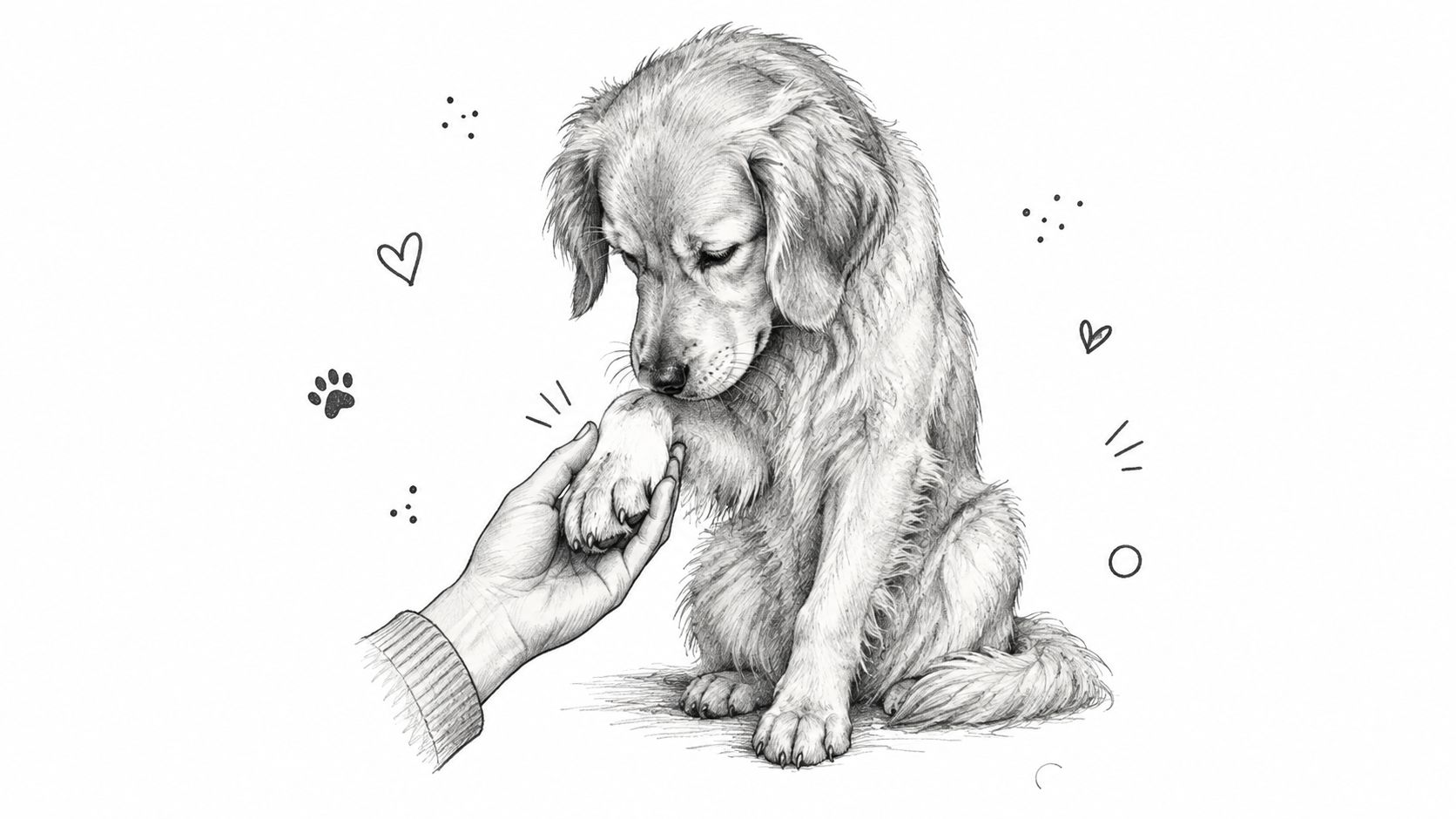
Normal paw grooming is short and easy to interrupt. It usually happens after outdoor time, after getting wet, or before settling down to rest. The dog licks a bit, stops, and moves on.
Problem chewing has a different pattern. The dog returns to the same paw several times a day. The licking turns into nibbling or gnawing. You may notice rust-colored saliva staining on light fur, redness between the toes, a sour smell, or a dog that seems unable to leave the foot alone. PetMD notes that paw licking and chewing are often tied to underlying issues such as allergies, irritation, infection, injury, parasites, or pain (PetMD on why dogs lick and chew paws).
A practical rule helps here. If the behavior leaves the paw looking the same, it may be grooming. If the behavior is changing the paw, or interrupting sleep and normal activity, treat it like a symptom.
What to notice before you act
Owners save time and money when they watch the pattern first. A one-minute check often points you closer to the cause than random food changes or repeated paw wipes.
Focus on three things:
- Timing: after walks, after being on grass, at bedtime, after grooming, or mainly when left alone
- Distribution: one paw, both front paws, all four paws, or only one spot between the toes
- What the paw looks like: clean but damp, red between the toes, swollen, cracked pads, broken nail, or visible debris
Those details shape the next step. One sore paw pushes injury or a foreign object higher on the list. Multiple paws with flare-ups often fit allergy patterns better. Breed background can also add context, especially in dogs that are more prone to skin disease or compulsive licking. The PetCostEngine breed library is a useful starting point for that context.
Common Causes Of Persistent Paw Chewing
Persistent paw chewing usually falls into a few repeat patterns. The useful question is not “Why is my dog doing this once?” It is “What pattern does this fit?”
Allergic causes
Allergies are a common cause, but the label alone does not help much. Foot chewing tied to allergy often involves more than one paw, comes and goes in flares, and leaves the skin pink or red between the toes. Common allergy categories include environmental atopy, food reactions, contact irritation, and flea allergy, as outlined in a clinical review of canine pododermatitis.
That pattern matters because owners often jump straight to food as the cause. In practice, many dogs with itchy feet react to environmental triggers first, especially when the problem rises and falls with season, walks, or time outside.
The ASPCA Pet Health Insurance guidance also notes that excessive paw licking can reflect irritation from an allergen, which matches what many owners report at home (ASPCA guidance on dogs and allergies).
Infection and overgrowth
Yeast and bacteria often show up after the skin barrier has already been irritated. Saliva, moisture, and repeated chewing make that cycle worse. The result is a paw that stays damp, inflamed, and uncomfortable.
This is one reason random home treatment gets expensive fast. Owners may swap foods, wipes, and shampoos while the dog keeps chewing because the main problem is now infection, not just itch. In tougher cases, treatment can take time and may need prescription medication rather than another rinse or balm.
Trauma, pain, and foreign material
One paw that suddenly becomes the focus should move injury higher on the list. I treat that pattern differently from a dog chewing all four feet.
Common local causes include:
- Embedded material: grass awns, splinters, thorns, gravel, or glass
- Nail problems: a cracked nail, torn nail, or inflamed nail bed
- Pad injury: burns from hot pavement, cuts, or abrasions
- Pain elsewhere in the limb: joint soreness or strain that makes the dog fixate on the foot
A dog does not need a dramatic wound to chew hard at one spot. A tiny foreign body between the toes can cause a lot of attention.
Stress and boredom
Behavior can be part of the picture. The PDSA notes that boredom and stress can lead dogs to lick and bite their paws, and repeated licking can turn into a habit even after the original trigger fades (PDSA on dogs biting and licking paws).
Pattern still matters here. Stress-related licking often shows up during idle periods, after routine changes, or when the dog is left alone. Skin disease usually leaves clearer physical changes on the paw.
Breed can blur the picture. Active, driven dogs may keep running on sore feet and only show the problem later at home. The American Water Spaniel health and behavior profile is a good example of how breed background can add context without replacing an actual paw exam.
Signs Your Dog Needs A Vet Visit
You notice the licking at night first. By the next day, the fur between the toes is damp, the skin looks pinker than usual, and your dog keeps returning to the same paw. That is usually the point where watching and waiting stops being the cheaper option.
A paw can look only mildly irritated on the surface and still be painful or infected underneath. The Merck Veterinary Manual overview of pododermatitis in dogs describes common changes owners can often spot at home, including redness, swelling, hair loss, and discharge. Those signs matter because they point to more than routine grooming.
A safe home paw check
Check the paw when your dog is calm and settled. Sit beside them. Start with the foot that seems least sore.
Look at the nails, pads, webbing between the toes, and the skin on top of the paw. You are not trying to diagnose the cause on the spot. You are deciding whether this still looks like mild irritation or has crossed into a problem that needs an exam.
Pay attention to:
- Red or darkened skin
- Swelling in one toe or across the whole paw
- Raw spots, scabs, cracks, or bleeding
- Hair loss from repeated licking
- Moist fur, saliva staining, or discharge between the toes
- A clear difference between one paw and the others
Stop if your dog pulls away hard, cries, or tries to bite. Pain changes behavior quickly.
Signs that should move you to a vet visit
Some patterns are much less likely to resolve with home care alone. Call your veterinarian if you notice:
- Limping or reluctance to bear weight
- Bad odor, discharge, or pus
- Open sores or active bleeding
- Rapid swelling
- One paw that is much worse than the rest
- Chewing intense enough to interrupt sleep or normal activity
- No improvement after a short trial of basic home care
The pattern matters as much as the symptom. A dog grooming both front paws lightly after a walk is different from a dog chewing one swollen foot over and over. That difference often tells you whether you are dealing with simple irritation, deeper infection, or a painful local problem.
Why the exam is worth it
A good paw exam is not just a quick look. VIN dermatology guidance on foot chewing recommends a detailed history, a full physical exam, and baseline skin tests such as deep skin scrapings, hair plucks, and cutaneous cytology when the problem keeps coming back or does not fit a simple pattern (VIN dermatology guidance on foot chewing).
That workup costs more than a rinse and a cone. It also helps avoid the common expensive mistake of treating every paw problem as "allergies" while a foreign body, infection, or nail injury keeps getting worse. If you want to map out the likely cost before booking, the pet care cost calculator can help you plan without delaying the visit.
How To Tell If It Is Allergies Or Something Else
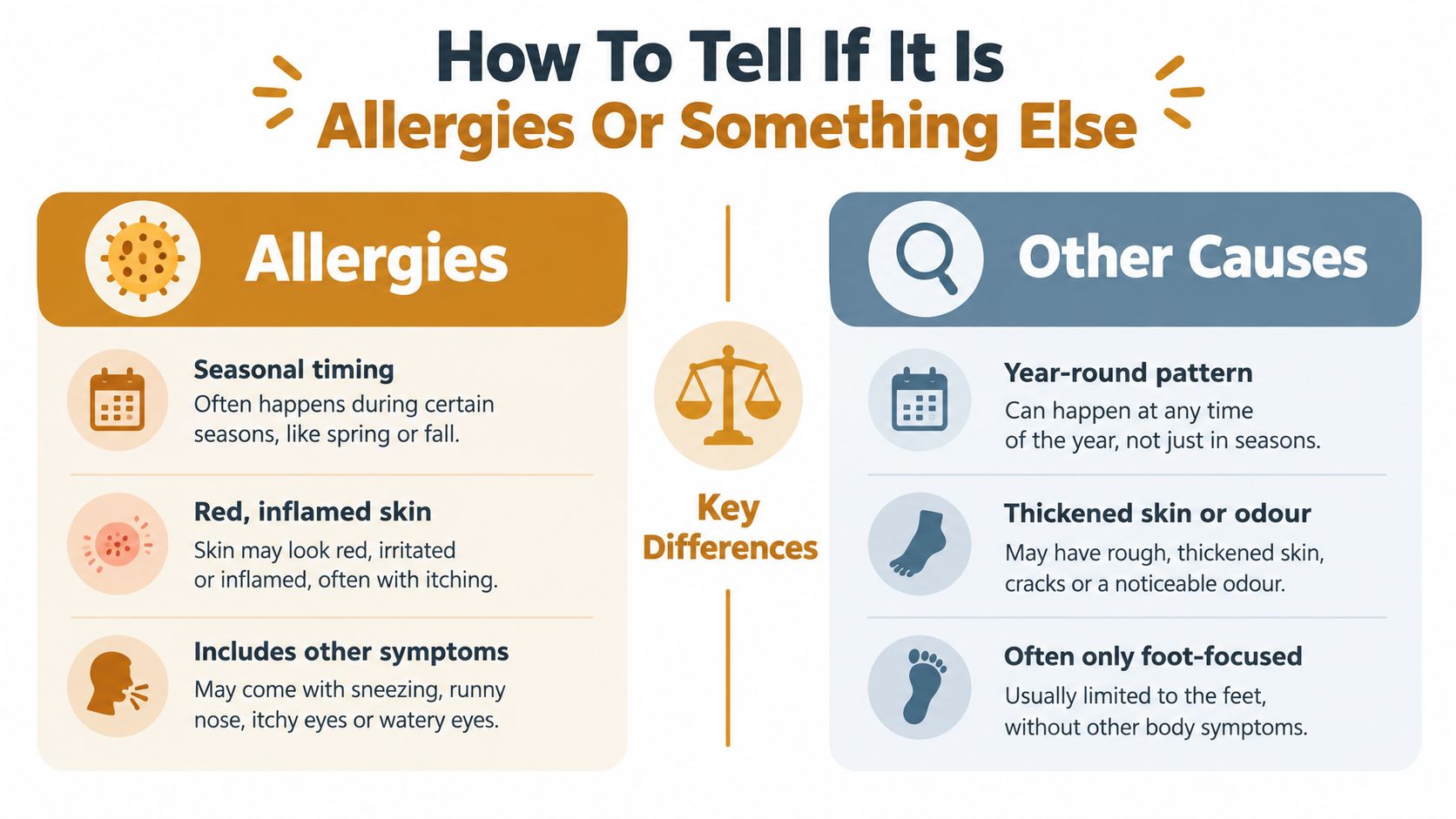
Allergies get blamed first because they're common. They also overlap with several other causes, which is where owners get stuck. The better question is not “is it allergies,” but “which pattern does this most closely match?”
Here's a visual comparison that helps many owners sort the first clues:
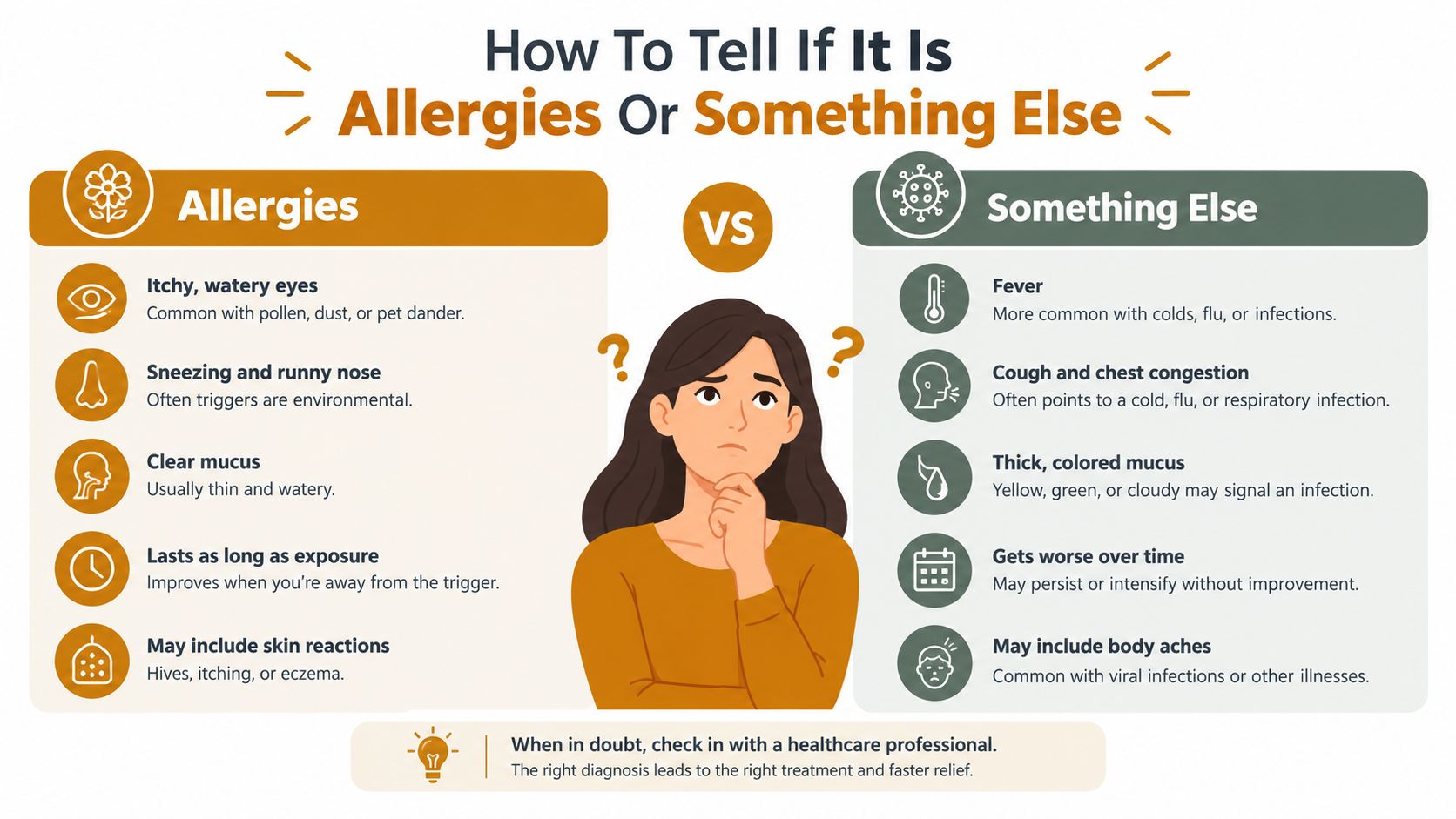
Pattern clues that matter
A broad AKC discussion of pododermatitis points out a major gap in common pet advice. Too many pages stop at “allergies,” even though paw chewing can also reflect infection, parasites, foreign bodies, autoimmune disease, hormonal disorders, behavioral causes, or even cancer (AKC on pododermatitis in dogs).
A simple comparison helps:
| Pattern | More consistent with | What owners often notice |
|---|---|---|
| Seasonal flare in multiple paws | Environmental atopy | Worse during high-pollen periods, often both front or all four paws |
| Year-round chewing | Food reaction or chronic infection | No clear season, may keep cycling despite cleaning |
| Sudden chewing on one foot | Foreign body, sting, nail injury | Fast onset, focused attention on one spot |
| Chewing after specific surfaces | Contact irritation | Starts after lawns, cleaners, or treated ground |
| Front paw chewing during idle times | Stress or boredom | Often tied to routine, confinement, or under-stimulation |
Two mistakes owners make
The first is assuming symmetrical paw licking always means “just allergies.” It might. It might also be allergy plus infection.
The second is treating one angry foot like a whole-body skin problem. One swollen, painful paw deserves a close physical inspection for something local.
This short video gives a helpful overview before you make the call:
A better way to think about the problem
Start with distribution, timing, and speed of onset. Those three clues usually narrow the list faster than changing foods at random or ordering another paw balm.
That's especially true in breeds with high grooming needs or chronic skin issues, where normal maintenance can blur into pathology. If that applies to your dog, the Poodle breed page is a useful example of how breed context can shape what owners watch for.
Home Care Steps That Actually Help
If the chewing is mild, the skin isn't broken, and your dog is acting comfortable, home care can help. The goal isn't to “cure” every case at home. The goal is to reduce irritation, keep the feet dry and clean, and see whether the behavior settles.
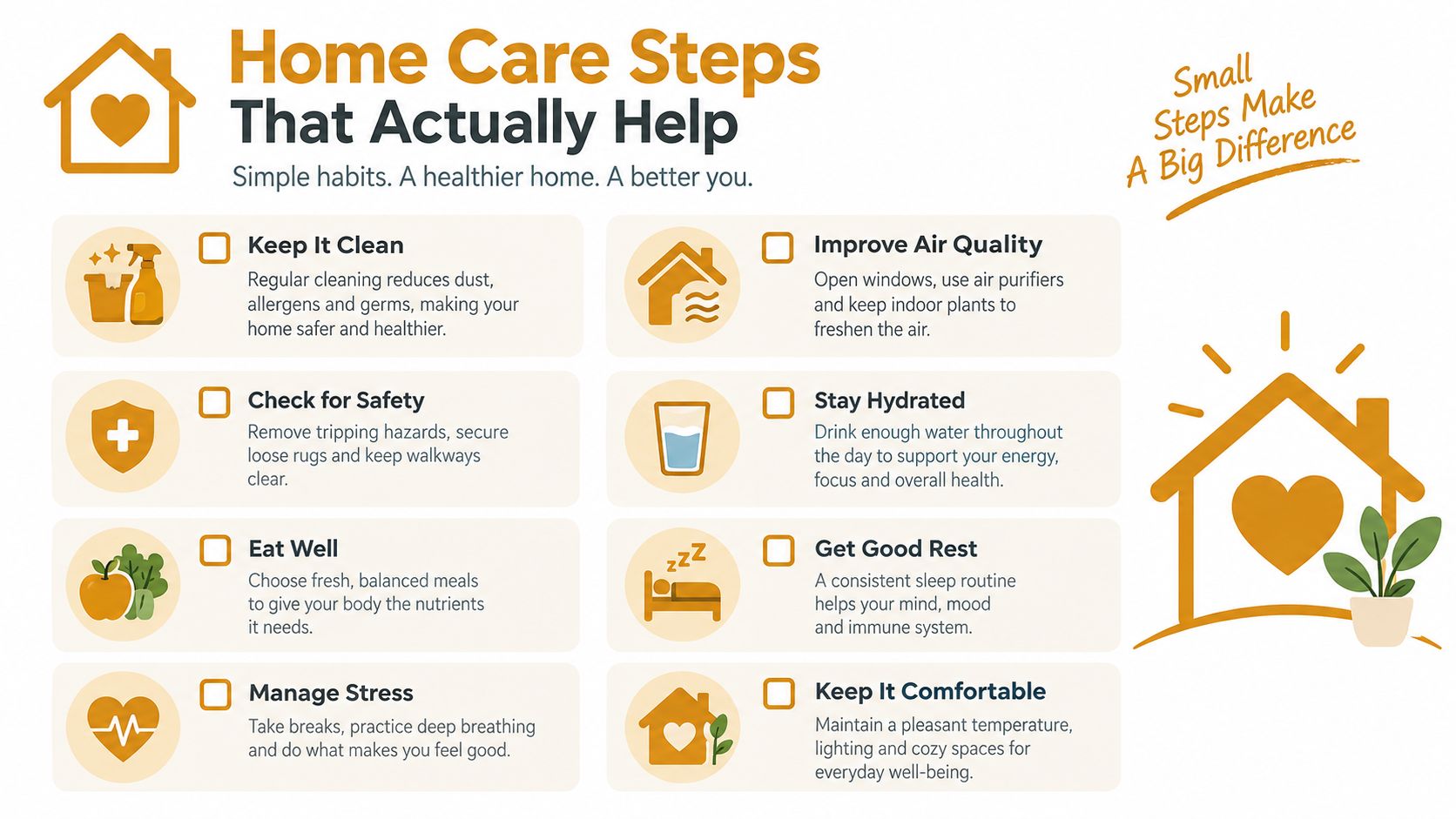
What helps in the short term
These measures are low risk and practical:
- Rinse after outdoor exposure: Use lukewarm water to remove dirt, pollen, and residue from the feet.
- Dry between the toes: This matters more than most owners think. Trapped moisture encourages microbial overgrowth.
- Trim excess foot hair carefully: Less trapped debris, better airflow, easier inspection.
- Use an e-collar if needed: If a dog won't stop chewing long enough for the skin to calm down, physical interruption may be necessary.
Clean and dry beats heavily medicated and damp.
What often backfires
Owners mean well, but several common fixes make paw irritation worse.
- Human skin products: Lotions, steroid creams, and medicated ointments made for people can irritate dogs or get licked off.
- Essential oils: These can inflame already damaged skin and add a toxicity risk if ingested.
- Frequent soaking without drying: Moisture left in the interdigital spaces can keep the cycle going.
- Random supplement stacking: When everything changes at once, you learn nothing and may miss a worsening infection.
Comfort measures versus management
A rinse helps with surface irritants. It doesn't solve a splinter, a deep infection, a torn nail, or chronic allergic disease. That's the key trade-off.
For boredom-related licking, the better fix is often upstream. Add structure. Rotate chew toys like a Kong or Toppl. Use food puzzles. Give the dog a predictable walk and rest rhythm so idle stress doesn't keep landing on the paws.
For fluffy-coated dogs that trap debris around the feet, grooming habits matter more than owners expect. The Bichon Frise breed page is a good example of why coat type changes day-to-day paw care.
When To Stop Guessing And See A Professional
Home care works best at the edges of the problem. Once chewing keeps returning, the issue is usually layered. Allergy causes itch. Licking damages the skin. Yeast or bacteria overgrow. The dog chews more. Then the behavior itself becomes reinforcing.
That cycle is why dermatology guidance treats chronic foot chewing as something that often needs a combined plan, not a single remedy. The workup and treatment may involve itch control, antimicrobial therapy, topical care, pain management, and sometimes lifestyle or immunomodulatory support, depending on what the exam shows.
The tipping point
Make the appointment when any of these are true:
- The chewing continues for several days despite basic cleaning and drying
- The problem keeps returning after short periods of improvement
- Your dog seems painful, restless, or less willing to walk
- The paws are changing visibly, even if your dog still seems upbeat
What usually works better than guessing
A good veterinary visit doesn't just try one medication and hope. It separates the likely drivers. Is this allergic, infectious, traumatic, or behavioral? That answer changes everything.
If the main driver is skin allergy, long-term control matters. If it's a foreign body, no shampoo will fix it. If anxiety is feeding the habit, skin treatment alone won't close the loop.
The safest, simplest path is often ruling out the dangerous causes first, then managing the common ones well.
Owners often wait because the chewing doesn't seem dramatic. That's understandable. But with dog chewing on feet, a low-grade problem can turn into a complicated one if the skin stays wet, inflamed, and repeatedly traumatized.
PetCostEngine helps dog owners make clearer care decisions with breed pages, a lifetime care calculator, and practical guides that put health risks into context. If your dog's foot chewing may lead to repeat vet visits or long-term skin management, PetCostEngine can help you compare the bigger picture before the next flare catches you off guard.
Modeled estimates for 226 breeds, with the formula and sources published in full.
See the data →
Joint supplement → Puzzle toys → No-pull harness →
As an Amazon Associate, PetCostEngine earns from qualifying purchases.