
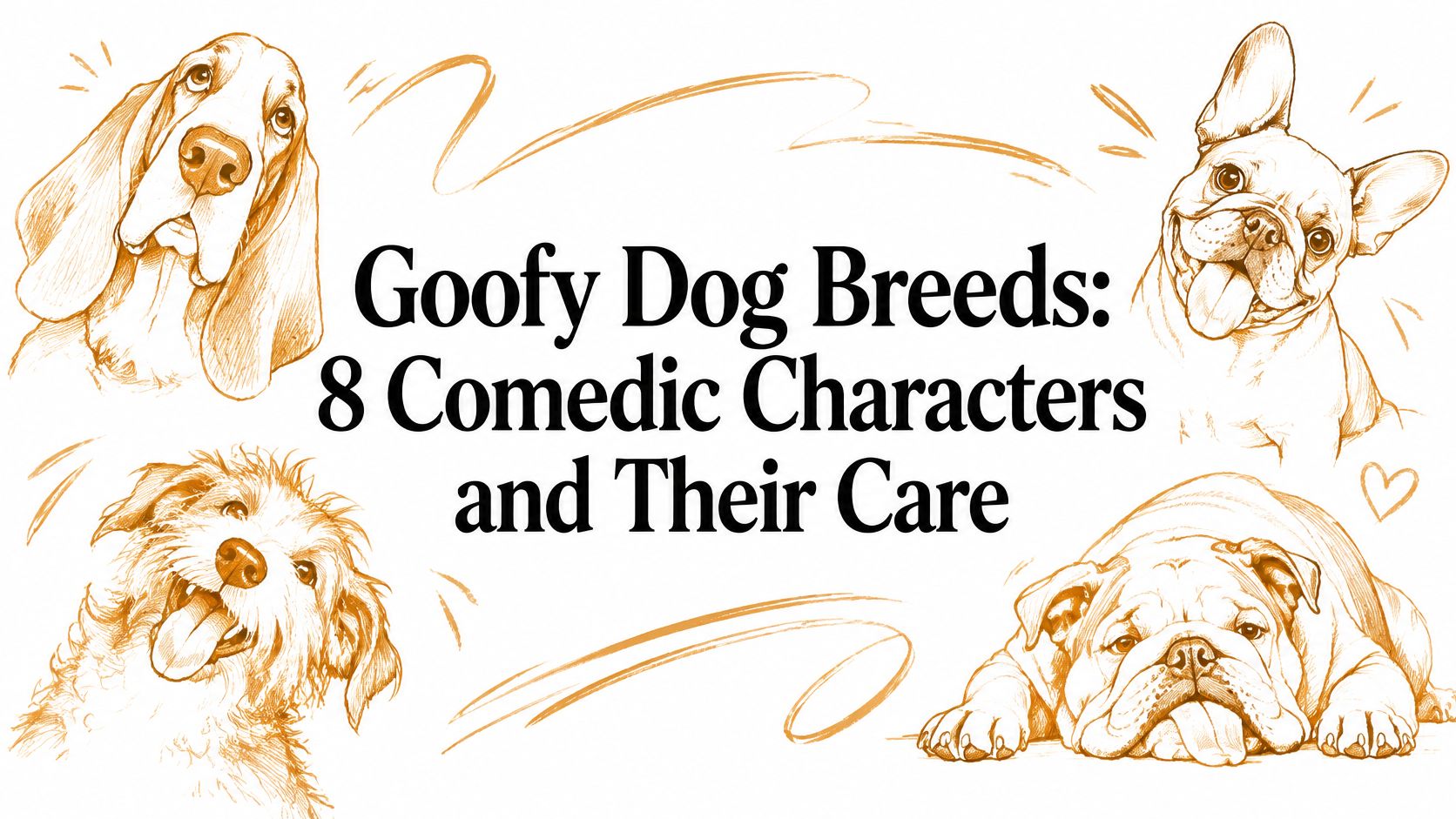
Choosing the dog that makes you laugh hardest isn't a reliable way to choose the dog you can care for best. Some of the goofiest-looking dogs need the most structured routines, whether that means protecting a flat-faced dog from overheating, managing a long-backed dog's access to furniture, or keeping a determined scent hound securely leashed.
A goofy dog is still a real commitment. A Pug's expressive face, a French Bulldog's oversized ears, and an English Bulldog's solemn shuffle can be irresistible. Basset Hounds and Beagles bring nose-led mischief, Dachshunds bring bold opinions, Labrador Retrievers bring exuberant games, and Pembroke Welsh Corgis bring a herding dog's enthusiasm in a low-slung body.
The useful question isn't which breed is funniest. It's which dog's ordinary needs you can meet on a busy weekday, during summer weather, and when your schedule changes.
Choose the care routine you can sustain, not just the personality you enjoy watching.
These goofy dog breeds can be affectionate, entertaining companions, but their appeal shouldn't excuse discomfort or replace training. Each profile pairs the fun with a practical care plan and a closing checklist, procedure, or veterinary warning box. Meet the individual dog, ask about its health and behavior, and use those decision aids before committing.
Table of Contents
- 1. Pug
- 2. French Bulldog
- 3. English Bulldog
- 4. Basset Hound
- 5. Beagle
- 6. Dachshund
- 7. Labrador Retriever
- 8. Pembroke Welsh Corgi
- The 8 goofy dog breeds at a glance
- Choose the Clown That Fits Your Household
1. Pug
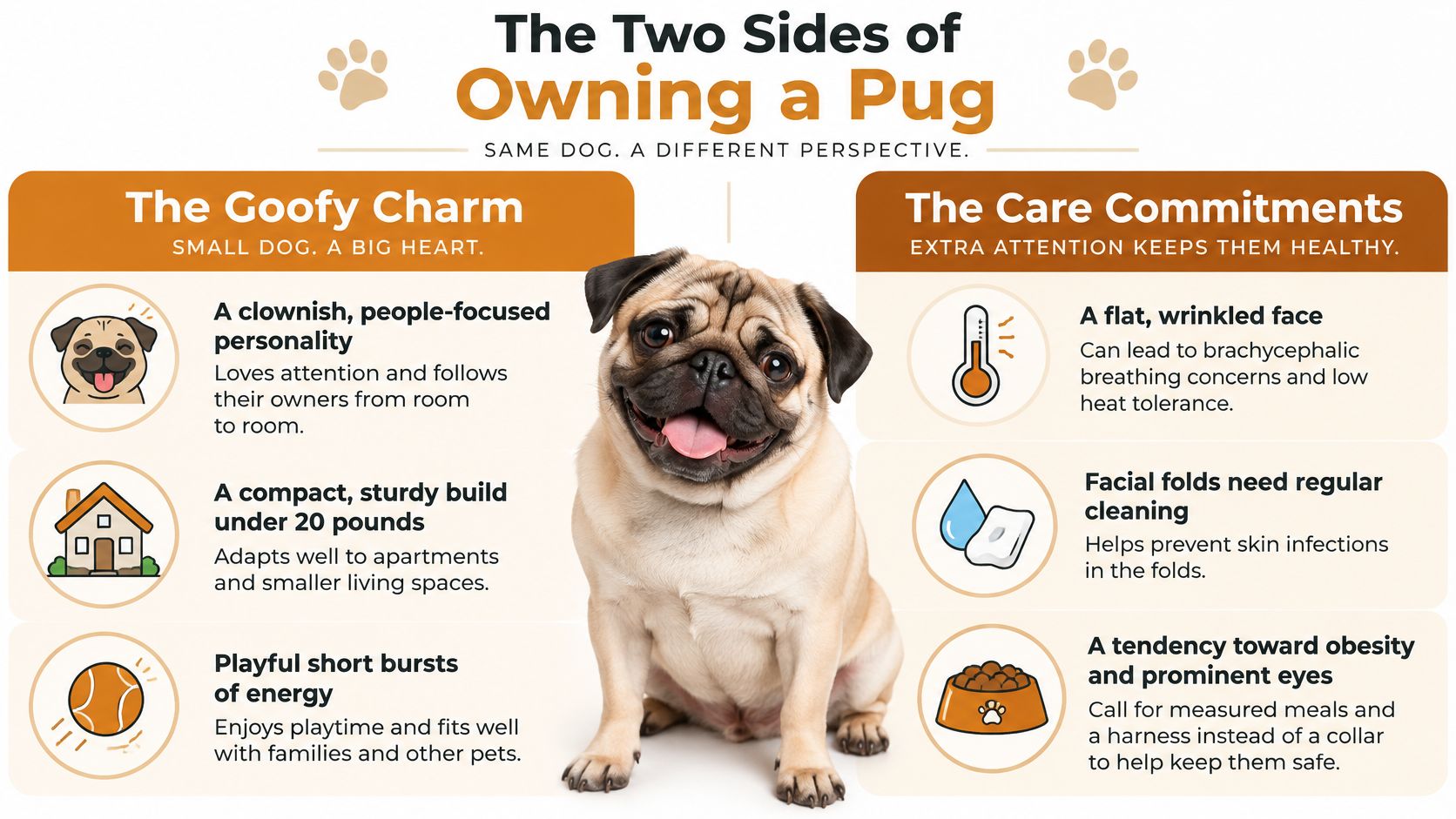
A Pug can make an ordinary household task feel like a group project. This small, sturdy companion often wants to follow its people, inspect their activities, and join whatever happens next. The expressive face and playful manner are part of the attraction, but the flat face also requires careful airway management.
Excitement matters as well as weather. The AKC's veterinary guidance on overheating explains that heat, humidity, exercise, and excitement can increase breathing difficulty in short-nosed dogs, so owners should stop activity before breathing becomes labored.
For a household in a warm climate, that means planning cooler-hour walks and having an indoor alternative. A cooling mat can provide a comfortable resting spot, but it doesn't make a hot outing safe. Use a properly fitted harness for walks rather than relying on pressure at the neck.
Before You Commit
Facial-fold care belongs in the daily routine. Ask your vet to demonstrate cleaning with an appropriate product, then dry the folds thoroughly rather than leaving moisture behind.
If wrinkles are part of the appeal, compare the distinct responsibilities described on the Chinese Shar-Pei breed page, without treating it as a substitute for Pug-specific advice.
- Plan for heat: Identify a cool indoor exercise space and a reliable way to keep the home comfortable.
- Measure food: Portion meals and include training treats in the feeding plan.
- Inspect folds: Watch for redness, odor, discharge, or tenderness.
- Discuss breathing: Ask your vet about noisy sleep, exercise recovery, and appropriate activity for this particular dog.
2. French Bulldog
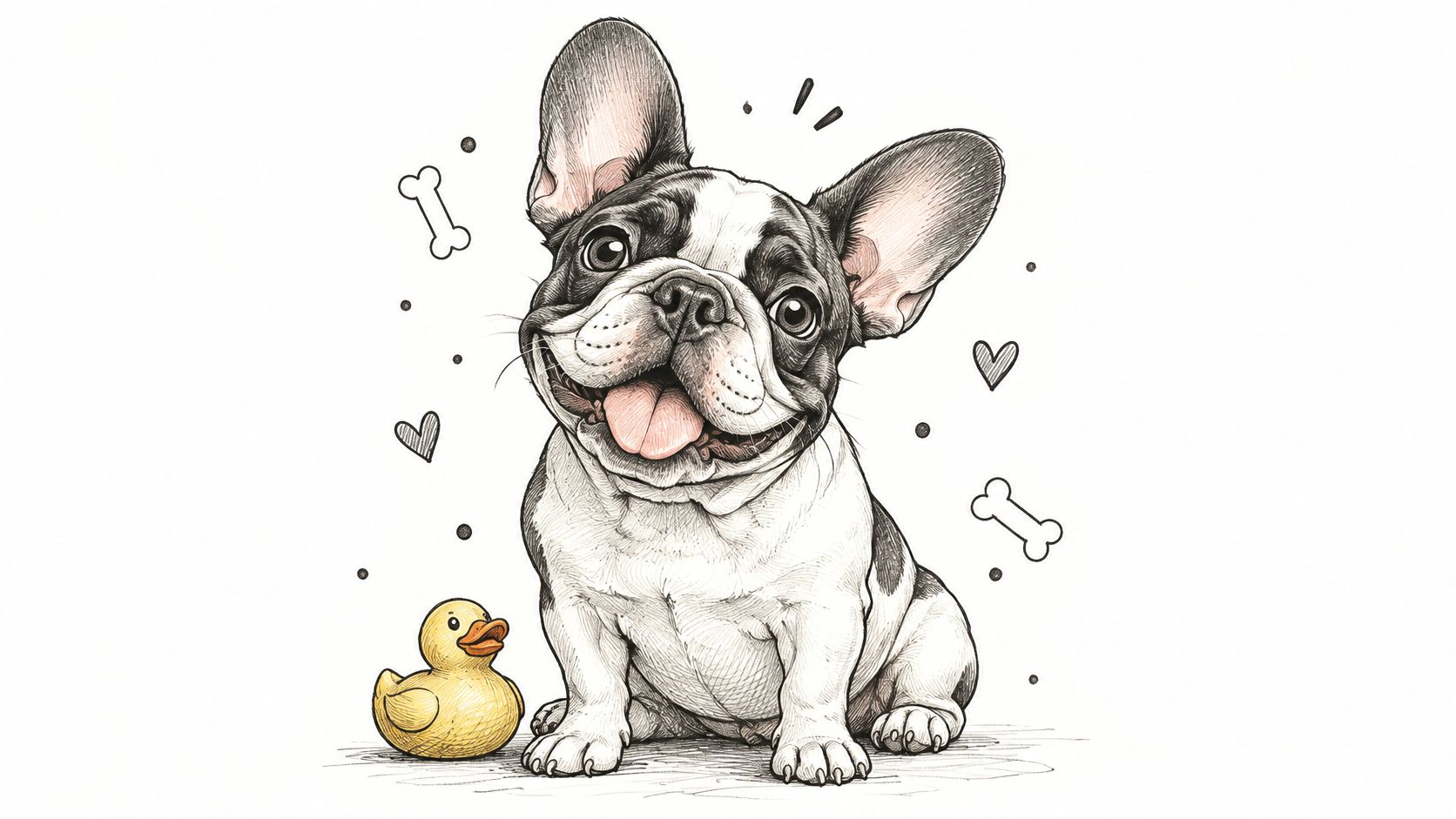
The French Bulldog's bat-like ears and compact build give it a permanently attentive look. Many are affectionate, playful household companions, but being entertaining indoors doesn't mean their care is effortless. Companionship and physical health are separate parts of breed fit.
In a 2025 Italian study, 81% of brachycephalic owners rated their dog's health as good to excellent, while these owners also reported greater emotional closeness and interaction than owners of non-brachycephalic dogs, according to the published owner-perception study. Caring intensely for a dog does not, on its own, establish that the dog breathes comfortably.
Say you work from home and want a companion beside your desk. A Frenchie may enjoy that arrangement, but you'll still need cooler-hour outings, comfortable indoor temperatures, and gradual practice being alone. Constant company shouldn't prevent the dog from learning to settle independently.
Your Adoption or Breeder Checklist
Compare a related short-faced companion using the Boston Terrier breed page, while assessing each breed and individual separately.
- Request documents: Ask for both parents' health-screening results and have your vet explain what they cover. Verbal reassurance isn't documentation.
- Observe recovery: Watch the dog after gentle activity, not only while resting on someone's lap.
- Practice separation: Introduce a comfortable crate or gated resting area gradually, without forcing a distressed dog to remain alone.
- Check ears: Keep them dry and ask your vet how to clean them appropriately.
- Arrange an examination: Review breathing, skin, ears, mobility, and the existing medical record before finalizing your care plan.
3. English Bulldog
An English Bulldog can look serious while carrying a toy across the room. Its broad chest, low stance, and deliberate manner create much of its comic appeal. The mistake is assuming that a slow-moving dog automatically needs little attention.
Calm temperament doesn't excuse restricted movement or difficult breathing. A systematic review of brachycephalic dog ownership identified normalization of health problems and misinterpretation of facial cues as recurring concerns. Owners can appreciate their dog's character while overlooking signs that deserve veterinary attention.
Practical rule: Don't use a breed's reputation for laziness to explain a new reluctance to move.
For a Bulldog living in a warm apartment, a sensible day might include gentle outings during cooler conditions, indoor food-search games, and rest in a comfortable room. It shouldn't involve trying to exhaust the dog through strenuous play. Cooling equipment is an accessory, not permission to ignore breathing effort.
When to Call Your Vet
Maintain measured meals, regular low-impact movement, and a vet-guided daily fold-cleaning routine. Choose a well-fitted harness, and ask for breed-relevant health documentation if you're buying a puppy.
- Arrange an appointment: New exercise avoidance, worsening sleep noise, recurring fold irritation, or difficulty getting comfortable needs assessment.
- Stop the activity: If breathing becomes harder or the dog appears distressed, move to a cooler, quieter place and contact your vet for guidance.
- Seek emergency help: Collapse, severe breathing difficulty, or blue or gray gums warrants immediate veterinary attention.
A Bulldog may suit someone who enjoys gentle companionship and hands-on care. It's a poor match for someone who wants a low-maintenance dog because the dog doesn't look athletic.
4. Basset Hound
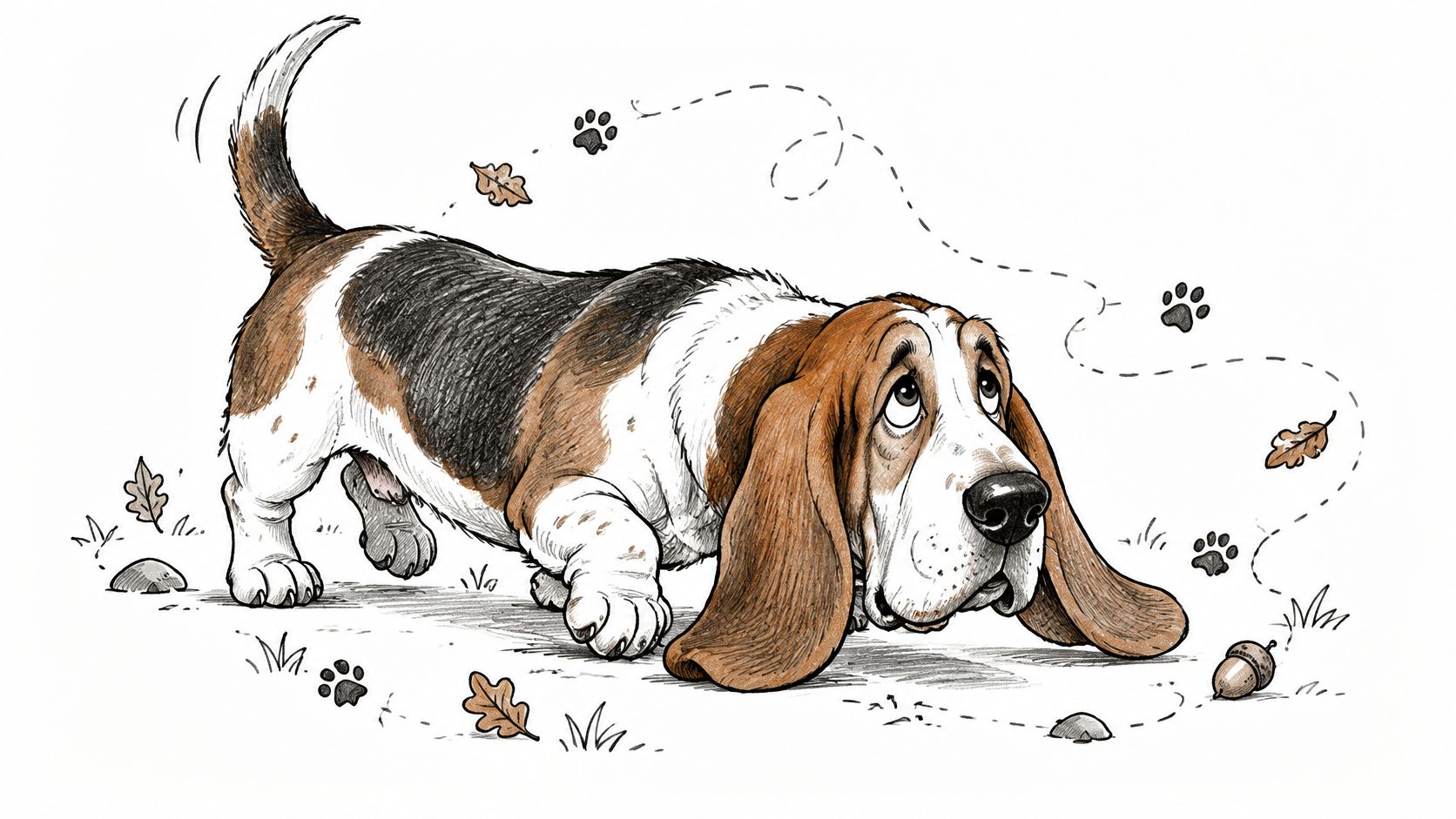
On a Basset Hound walk, the most interesting destination may be a patch of grass you passed several steps ago. The drooping ears and mournful expression are comic, but the nose is serious business. A relaxed manner doesn't mean reliable off-leash attention.
This long-bodied scent hound can suit an owner who enjoys steady companionship and patient training. It's less appealing if you expect every walk to follow a brisk, uninterrupted route. Letting the dog sniff safely is more productive than repeatedly pulling it away from every scent.
Consider a home with a raised couch and slippery flooring. Before bringing the dog home, create a nonslip route to a ground-level bed and decide whether a stable ramp is practical. Don't assume the dog will use a ramp just because you bought one.
Set Up a Nose-Friendly Routine
The Petit Basset Griffon Vendéen breed page offers another scent-hound comparison, not an interchangeable description of a Basset Hound.
- Secure the route: Use a fitted harness and leash, and inspect fence gaps before allowing yard access.
- Reward check-ins: Reinforce the dog for turning toward you before an interesting smell captures its attention.
- Make sniffing purposeful: Hide part of a meal in an easy indoor search rather than relying only on distance walked.
- Inspect ears weekly: Check for odor, redness, or discharge, and dry the outer ears after water exposure. Ask your vet which cleaning schedule suits the dog.
- Review access: Consider stairs, lifting requirements, and safe separation from small children during rest.
5. Beagle
A Beagle can turn a dropped crumb into the most important discovery of the afternoon. Its merry expression and enthusiastic curiosity are appealing, especially for people who enjoy an engaged, sociable dog. The same nose and food interest require secure storage, controlled outdoor access, and rewarding training.
Popularity doesn't remove those responsibilities. The AKC's most-popular-breeds ranking for 2025 placed Beagles seventh in the United States, but a familiar breed isn't automatically an easy fit.
For an active household, a useful morning might combine a sniff walk with breakfast served in a food puzzle. That gives the dog something constructive to investigate before people become busy. It works better than leaving food accessible on the counter and hoping obedience will outweigh opportunity.
A Practical Beagle Checklist
Training should make listening worthwhile without turning every reward into extra food. Set aside some of the regular meal for practice, and begin recall work somewhere secure rather than testing it beside wildlife.
- Check containment: Inspect gates, fence bases, and door routines before the dog arrives.
- Provide nose work: Use sniff walks and simple searches alongside physical exercise.
- Secure food: Put leftovers, trash, and food bags behind a closed door or reliable latch.
- Inspect ears: Check them regularly and dry the outer ears after baths or swimming.
- Plan companionship: Arrange suitable care when your schedule keeps you away, rather than expecting a puzzle toy to replace interaction.
A Beagle is a stronger match for someone who enjoys participating in the dog's activities than someone seeking a decorative, quiet presence. Meet the individual and ask the rescue or breeder how it behaves when alone, around food, and outdoors.
6. Dachshund
A Dachshund's confidence can seem wonderfully out of proportion to its height. Playful bursts, determined investigations, and emphatic reactions give this long-bodied hound plenty of comic character. Protecting comfortable movement needs to be just as intentional as enjoying that personality.
The practical issue is the whole home, not the walking equipment alone. A harness doesn't cancel repeated furniture jumps, and a ramp doesn't help if the dog keeps launching itself beside it. Use gates and furniture arrangements to make the safer route the obvious route.
Say your Dachshund likes watching the front window from the couch. Move a comfortable resting spot to a lower vantage point, block unsupervised couch access, and teach ramp use with rewards if access remains appropriate. When lifting, support the chest and hindquarters together rather than letting the rear half hang.
A Back-Conscious Home Procedure
Keep the dog lean with measured meals, and ask your vet to assess body condition and movement. Review breed-specific spinal concerns before adoption rather than waiting for a painful episode.
- Change access: Block repeated jumping from beds and couches, and discuss stair management with your vet.
- Improve footing: Put nonslip runners on the dog's regular routes.
- Teach the alternative: Reward calm use of a stable ramp instead of placing the dog on it and expecting understanding.
- Keep activity appropriate: Provide regular, comfortable movement rather than alternating inactivity with frantic play.
- Recognize urgency: Sudden weakness, dragging limbs, inability to stand, or loss of bladder control requires urgent veterinary attention.
Don't interpret yelping, a hunched posture, or reluctance to be picked up as theatrical behavior. Pause handling and contact your vet.
7. Labrador Retriever
The Labrador Retriever's goofy appeal is less about an unusual silhouette and more about wholehearted participation. A ball, a puddle, or a visitor can become a major event. That enthusiasm is enjoyable when the household has time for exercise, training, and calm recovery.
A friendly dog still needs boundaries. A Labrador carrying a toy toward a guest may be delightful; a Labrador crashing into that guest needs help learning a safer greeting. Teach settling and polite approaches alongside retrieving rather than hoping maturity will do the work.
For an owner who enjoys outdoor activity, a workable routine could combine walking, controlled retrieving, and a food-search game. Swimming can be an option where conditions are safe and the dog is comfortable, but don't assume every Labrador arrives knowing how to handle water.
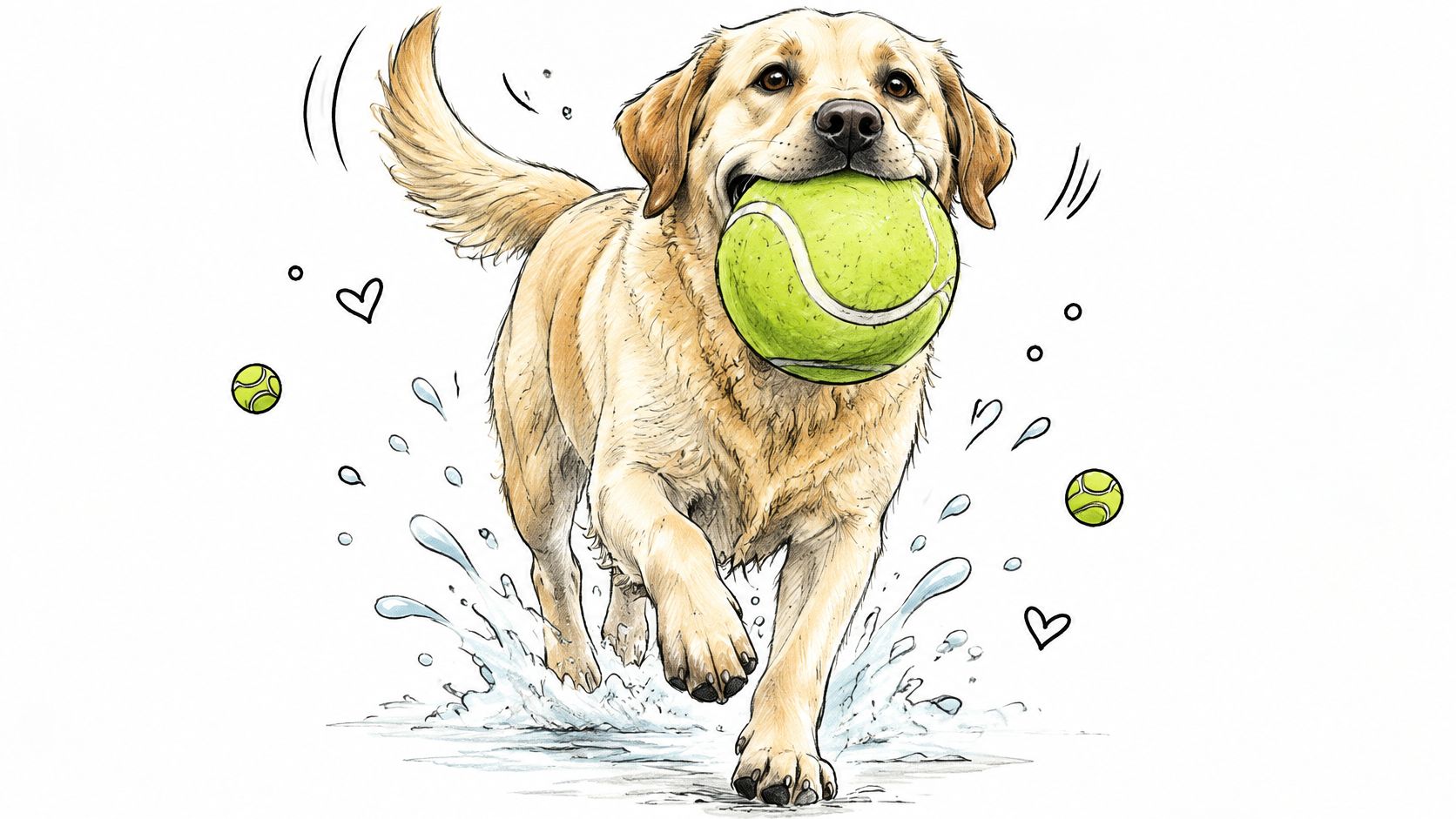
Keep Enthusiasm Manageable
The retriever pictured is a Golden Retriever. If you're considering that alternative, compare the Golden Retriever breed page rather than treating the breeds as identical.
The AKC's guide to dogs playing or fighting emphasizes loose movement, play bows, and reciprocal participation over judging play by noise alone.
- Structure activity: Mix movement with training and sniffing instead of relying on endless fetch.
- Monitor condition: Measure meals and regularly assess body shape with your vet.
- Request screening records: Ask a breeder for parental hip and elbow screening documentation.
- Supervise play: Pause when a dog becomes tense, repeatedly tries to escape, or stops participating willingly.
- Teach rest: Reward settling on a mat while people eat, work, or welcome visitors.
8. Pembroke Welsh Corgi
Short legs don't turn a herding dog into an ornament. A Pembroke Welsh Corgi can be alert, affectionate, and comically determined to participate in household movement. The lively expression is appealing, but training and physical management belong together.
A Corgi may try to chase or direct moving people, including children. Don't encourage ankle chasing because it looks funny while the dog is small. Teach an alternative behavior, use gates when necessary, and reward disengagement from running feet.
The AKC's guidance on aggression warning signs identifies freezing, stiff posture, pinned ears, lip licking, growling, and air snapping as possible signs of discomfort, and advises never leaving young children unattended with a dog. A comic expression doesn't override those signals.
Give a busy dog a job that's safe to repeat, not permission to rehearse behavior you'll later need to stop.
Your Corgi Household Checklist
Say children become excited before dinner. Put the dog behind a gate with an appropriate activity before the running starts, then practice calm mat behavior separately. That's more effective than correcting the dog after everyone is overstimulated.
- Teach useful cues: Practice recall, leave it, and settling with rewards before relying on them around distractions.
- Manage height: Reduce repeated furniture jumping and provide nonslip footing.
- Support comfortable movement: Keep the dog lean and use a well-fitted walking harness.
- Choose suitable training: Consider obedience classes; discuss age-appropriate activity with your vet before jump-heavy sports.
- Compare carefully: Use the Cardigan Welsh Corgi breed page to explore the other Corgi breed, not as a substitute for Pembroke-specific advice.
The 8 goofy dog breeds at a glance
| Breed | Size | Energy level | Top care priority | Main health watchpoint |
|---|---|---|---|---|
| Pug | Small, sturdy | Moderate | Clean and dry facial folds; manage heat | Breathing difficulties |
| French Bulldog | Compact, muscular | Moderate | Keep cool and maintain skin and ear care | Breathing difficulties |
| English Bulldog | Heavy, low-set | Low | Manage weight, heat, and skin-fold care | Breathing and heat intolerance |
| Basset Hound | Low, long-bodied | Moderate | Protect the back and clean ears regularly | Spinal disk problems |
| Beagle | Medium | Active | Provide daily exercise and mental stimulation | Weight gain |
| Dachshund | Compact, long-bodied | Playful bursts | Keep lean and limit jumping | Intervertebral disk disease |
| Labrador Retriever | Medium-large | High | Provide daily exercise and manage weight | Hip and elbow dysplasia |
| Pembroke Welsh Corgi | Moderate-sized, short-legged | Energetic | Keep lean and limit jumping | Spinal disk disease |
Choose the Clown That Fits Your Household
The best match among goofy dog breeds is the dog whose ordinary care fits your actual household. That means your climate, working hours, stairs, physical abilities, and willingness to train. It also means choosing an individual dog, not assuming every member of a breed behaves like a favorite video.
A Pug, French Bulldog, or English Bulldog calls for particular attention to comfortable breathing and heat management. A Basset Hound or Beagle needs a safe outlet for scent-driven behavior. A Dachshund or Corgi needs thoughtful home access, while a Labrador needs owners who can guide enthusiasm without relying only on exhausting exercise.
Affection and health risk can coexist. You don't need to dismiss a dog's wonderful personality to acknowledge its care requirements, and you shouldn't let affection prevent you from recognizing discomfort. A dog that stops enjoying an activity needs assessment, not encouragement to keep performing.
Complete the Checklist Before Adopting
Walk through a normal weekday on paper. Decide who handles outings, feeding, training, cleaning, and veterinary appointments, then identify what happens when that person is unavailable. If your plan depends on everyone suddenly becoming less busy, revise it before bringing the dog home.
- Test the routine: Try the proposed walking and training schedule before adoption.
- Inspect the home: Address gates, slippery floors, furniture access, food storage, and cool resting areas.
- Review records: Obtain available medical history and breeder screening documentation.
- Book veterinary input: Discuss the individual dog's breathing, movement, skin, ears, and suitable activity.
- Make a contingency plan: Know who can provide care and where you'll seek urgent veterinary help.
Be particularly cautious about explaining new symptoms as breed personality. Reluctance to play, unusual exercise recovery, disturbed breathing during sleep, or painful handling shouldn't become part of the dog's comedy routine. Record what changed and give your vet a clear description.
Our breed pages provide condition-likelihood estimates and break ownership costs into food, veterinary care, grooming, training, insurance, and more, adjusted for the owner's state. Those probabilities are our estimates, not a diagnosis or a prediction that a particular dog will develop a condition. Use them to prepare better questions and understand the commitment alongside a veterinary assessment.
Complete the relevant checklist before adopting, then choose the dog whose needs you can meet consistently. The goal isn't to eliminate every uncertainty. It's to make room for the funny, affectionate companion without overlooking the care that keeps that dog comfortable.
PetCostEngine offers a free four-question analysis with a lifetime cost and health-risk picture specific to your dog's breed, state, and age. Visit PetCostEngine to compare the goofy breed you love with the everyday commitment you're ready to make.
Estimated lifetime and yearly costs for a Chinese Shar Pei, state by state, plus whether pet insurance breaks even for the breed.
See Chinese Shar Pei costs →
Is insurance worth it for a Chinese Shar Pei? →
Premium dry food → Puzzle toys → No-pull harness →
As an Amazon Associate, PetCostEngine earns from qualifying purchases.